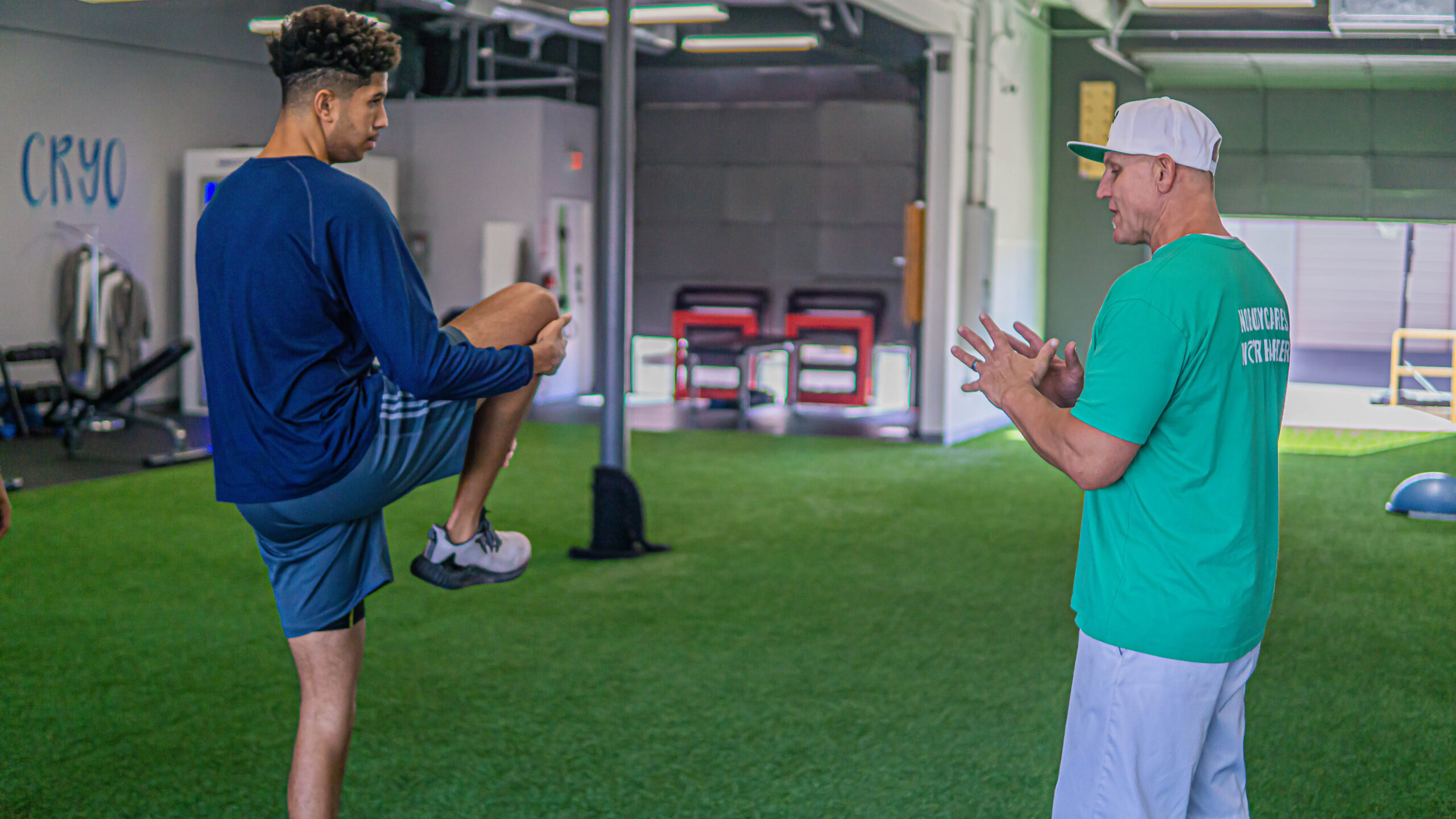
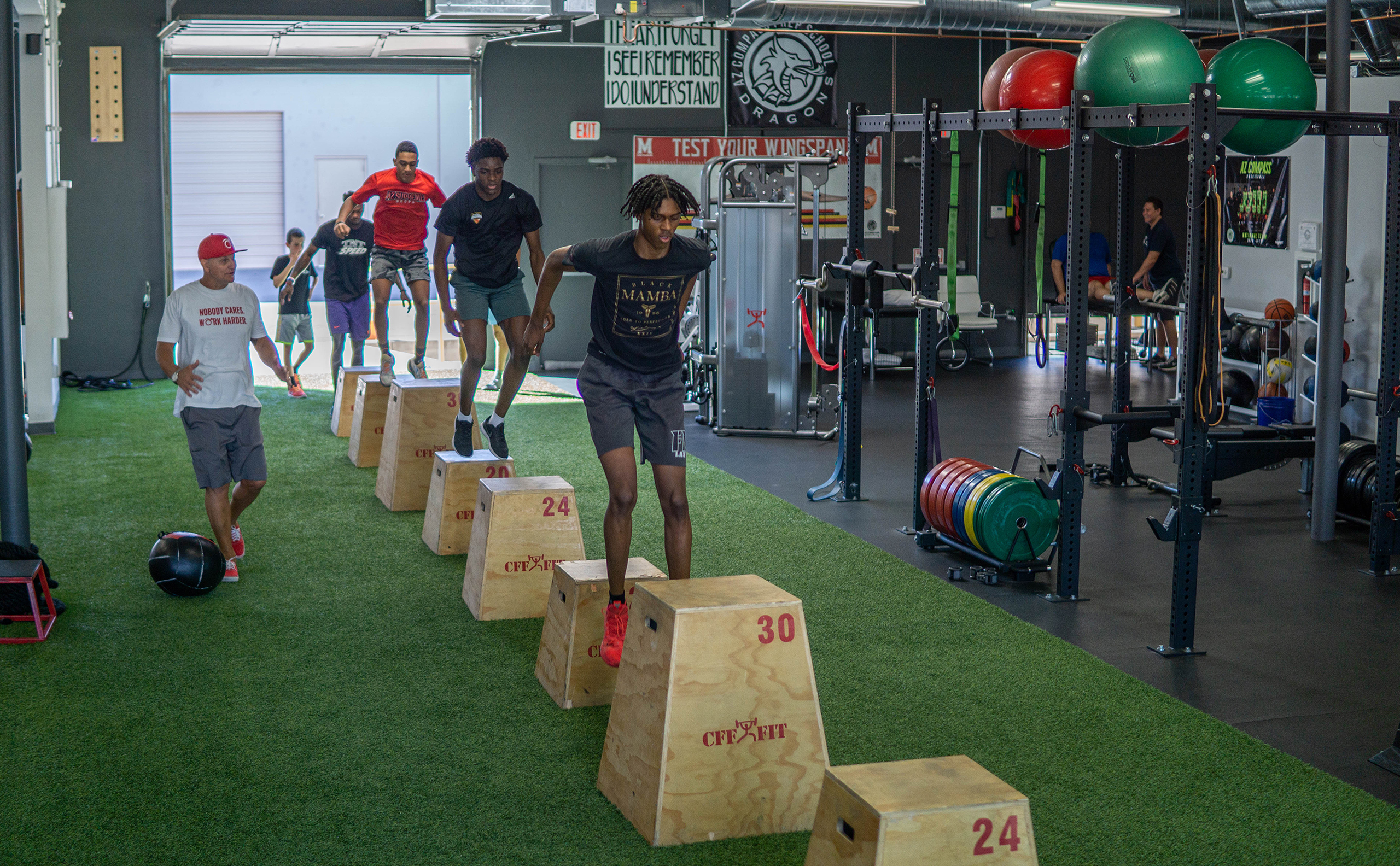
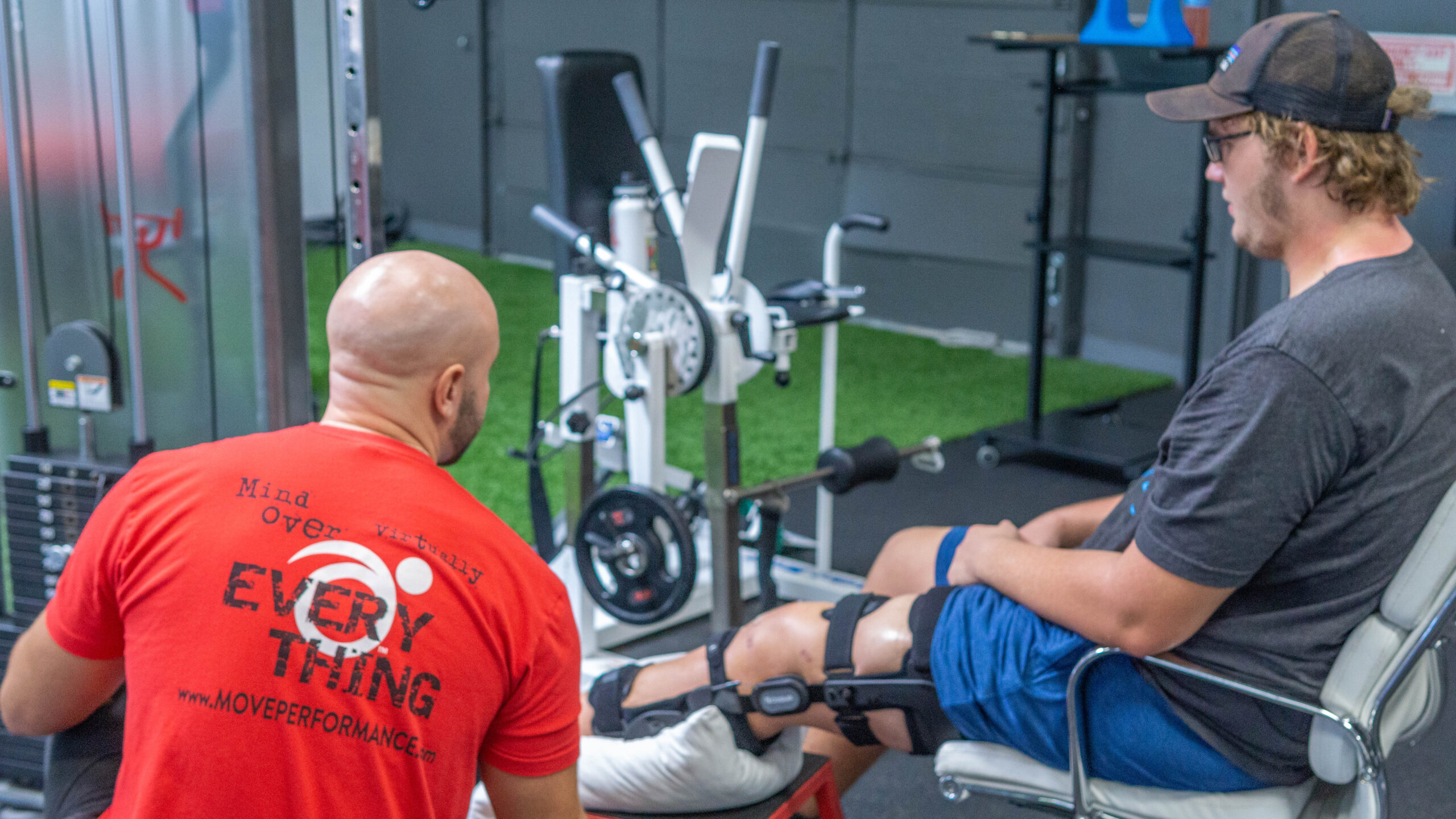
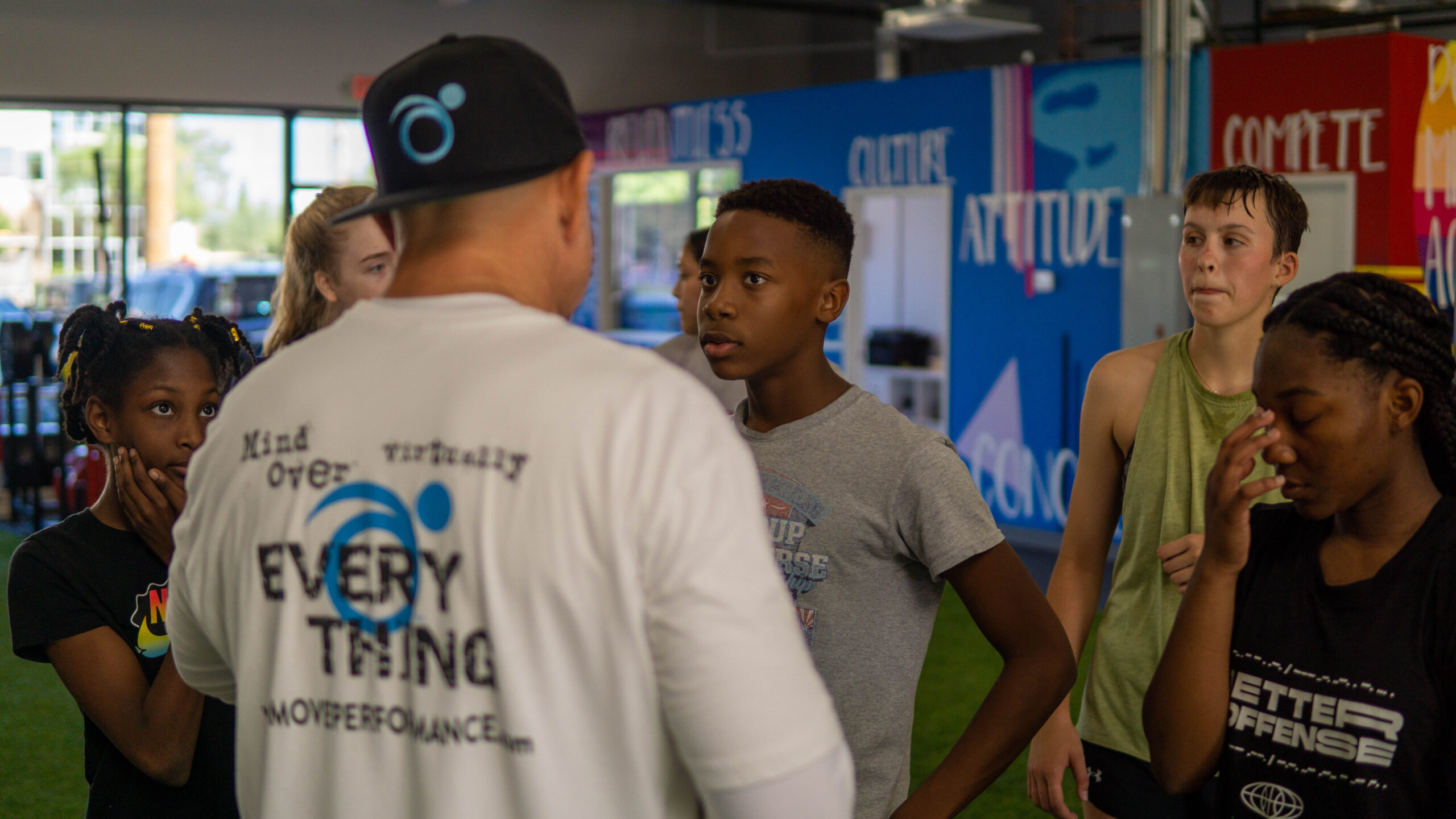
Here at Move we focus on the physical performance, but we also focus your mental preparation, performance, and even your mindset while recovering from an injury.
When you train or recover at MOVE, we will help you build your body and help you build your mind! Here at MOVE Human Performance Center it all starts with your MINDSET!
Mental preparation is a crucial aspect of athletic performance, especially for high school athletes who often face various pressures. By focusing on mental health strategies, athletes can enhance their performance and cope better with competition-related stress.
Mental resilience is the ability to bounce back from setbacks and maintain focus during challenges. High school athletes can benefit from training that emphasizes resilience-building techniques to help them overcome obstacles and maintain their performance levels.
Practices such as mindfulness meditation, cognitive restructuring, and stress management workshops can empower athletes to develop a strong mental framework. These strategies not only aid in performance but also contribute to overall well-being, helping athletes manage both athletic and personal challenges.
Distractions can significantly impact an athlete's performance, making it essential to learn how to manage them effectively. High school athletes often juggle academics, social lives, and sports, which can lead to divided attention during training and competitions.
Techniques such as creating a focused environment, setting clear priorities, and utilizing concentration exercises can help athletes minimize distractions. For example, practicing focused breathing or using mental cues can enable athletes to regain their focus quickly, ensuring they perform at their best when it matters most.
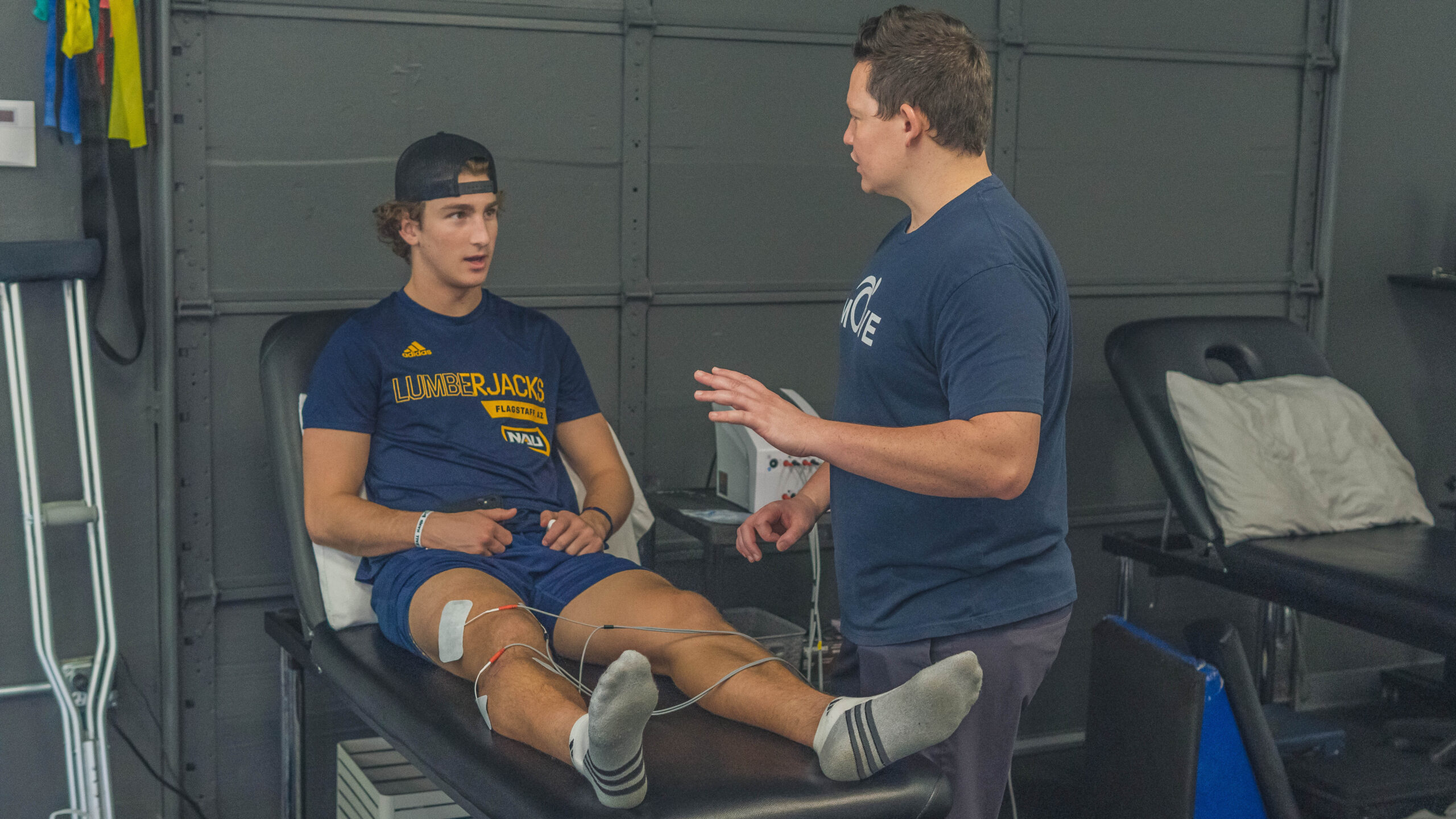
Injuries can take a toll not only on an athlete's body but also on their mental health. Understanding how to navigate the psychological aspects of recovery is vital for high school athletes looking to return to their sport effectively.
Support systems, including counseling and peer support groups, can play a significant role in the mental recovery process. Athletes who engage in mental health resources during their rehabilitation often report improved outlooks and faster returns to their sport, highlighting the importance of addressing mental health alongside physical recovery.
 Optimized by Seraphinite Accelerator