

If you’ve ever gone through traditional physical therapy, you might remember clipboards, generic rehab plans, and vague assessments like “how does that feel today?” While that approach works for some, it leaves a critical piece out of the recovery puzzle: data.
At MOVE Performance, physical therapy is no longer based on guesswork or one-size-fits-all solutions. Instead, MOVE takes a data-driven approach, using functional movement analysis and objective metrics to craft a plan that’s specific to your body, your goals, and your recovery timeline.
Whether you’re an athlete working your way back to competition, a weekend warrior dealing with chronic pain, or someone seeking long-term injury prevention, this type of data-informed physical therapy sets you up not just to heal — but to thrive.

Data-driven movement at MOVE means that everything from your assessment to your recovery plan is built on measurable information. Instead of relying solely on subjective feedback, the MOVE team collects hard data about how you move, where you’re compensating, and what areas are underperforming.
This includes:
These insights create a movement profile unique to you — a clear snapshot of how your body performs, where it’s struggling, and what’s needed to restore balance and performance.
For example, someone with knee pain may be prescribed quad-strengthening exercises at a standard PT clinic. At MOVE, your assessment might show that ankle mobility and hip instability are the real culprits — leading to a completely different, and more effective, recovery path.
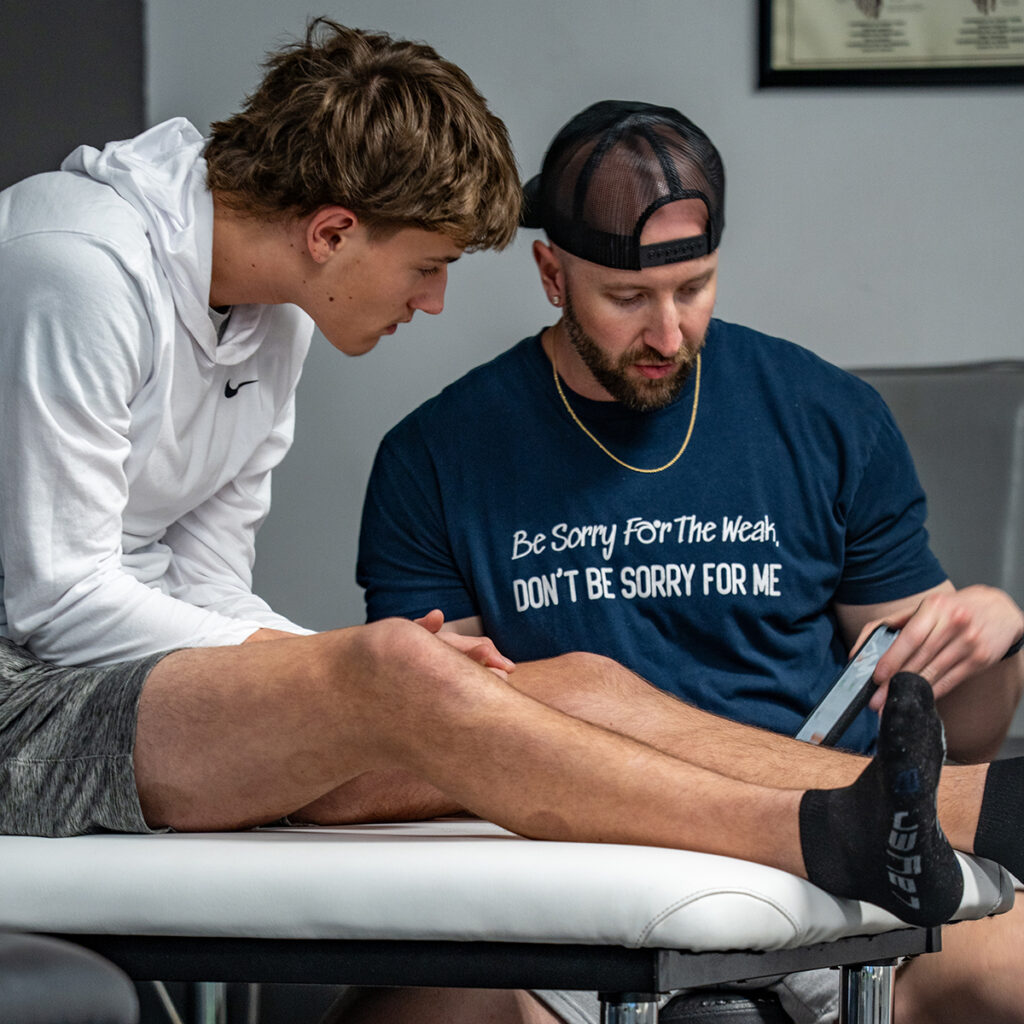
Because most injuries are movement-based, not just muscle- or joint-based, this deeper level of analysis helps guide treatment toward long-lasting outcomes.
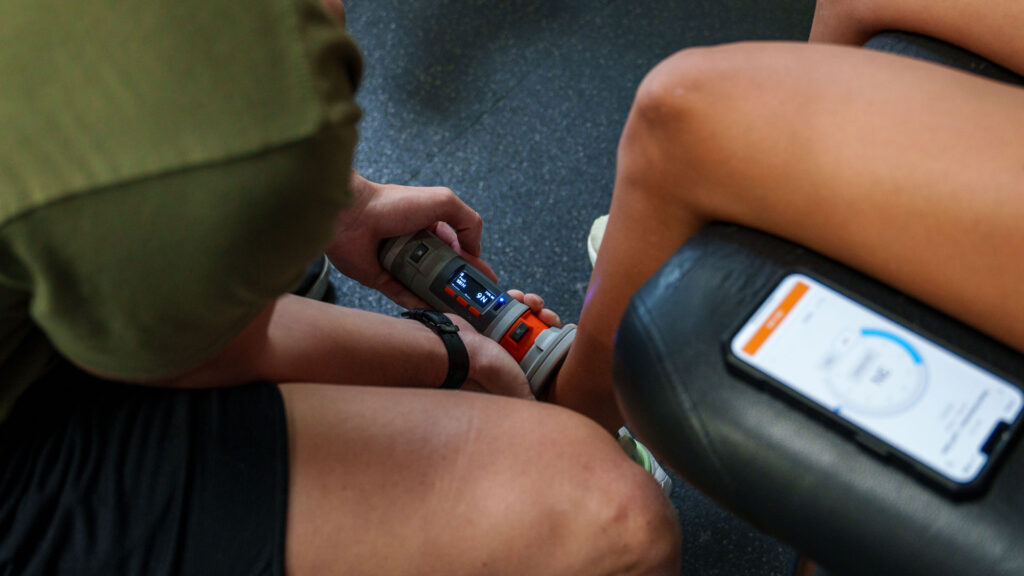
You’ll begin with a comprehensive evaluation that goes beyond basic injury screening. Your therapist collects data on your strength, mobility, and biomechanics, creating a movement baseline.
Rather than following a generic rehab protocol, you’ll receive a plan that aligns with your exact needs — whether that’s building core stability, correcting imbalances, or regaining shoulder overhead mobility.
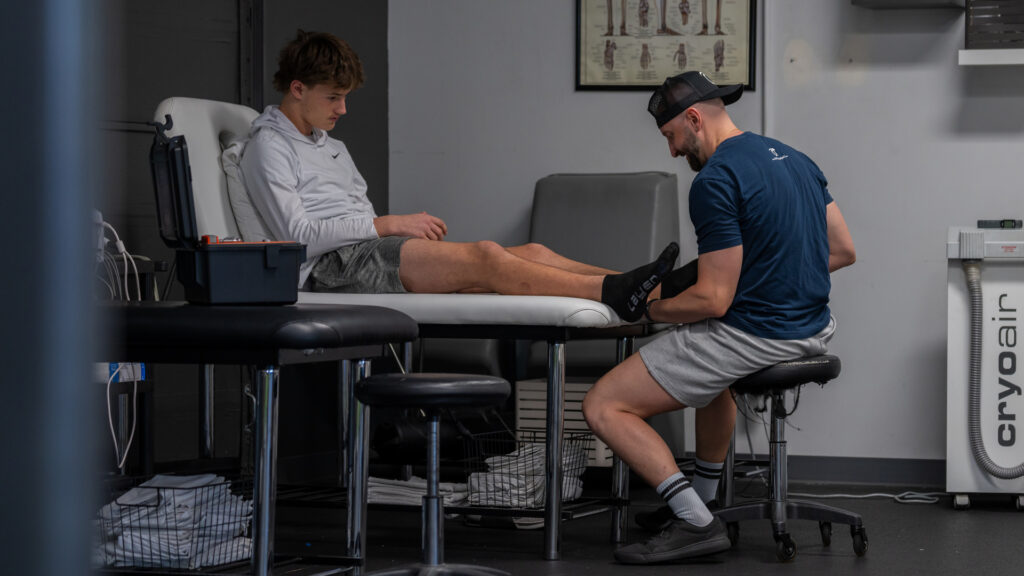
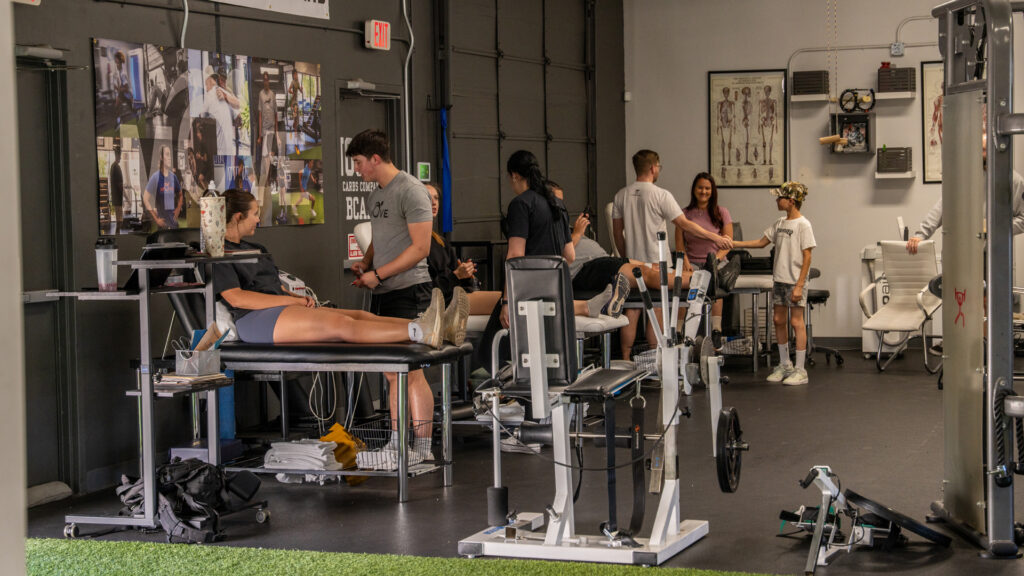


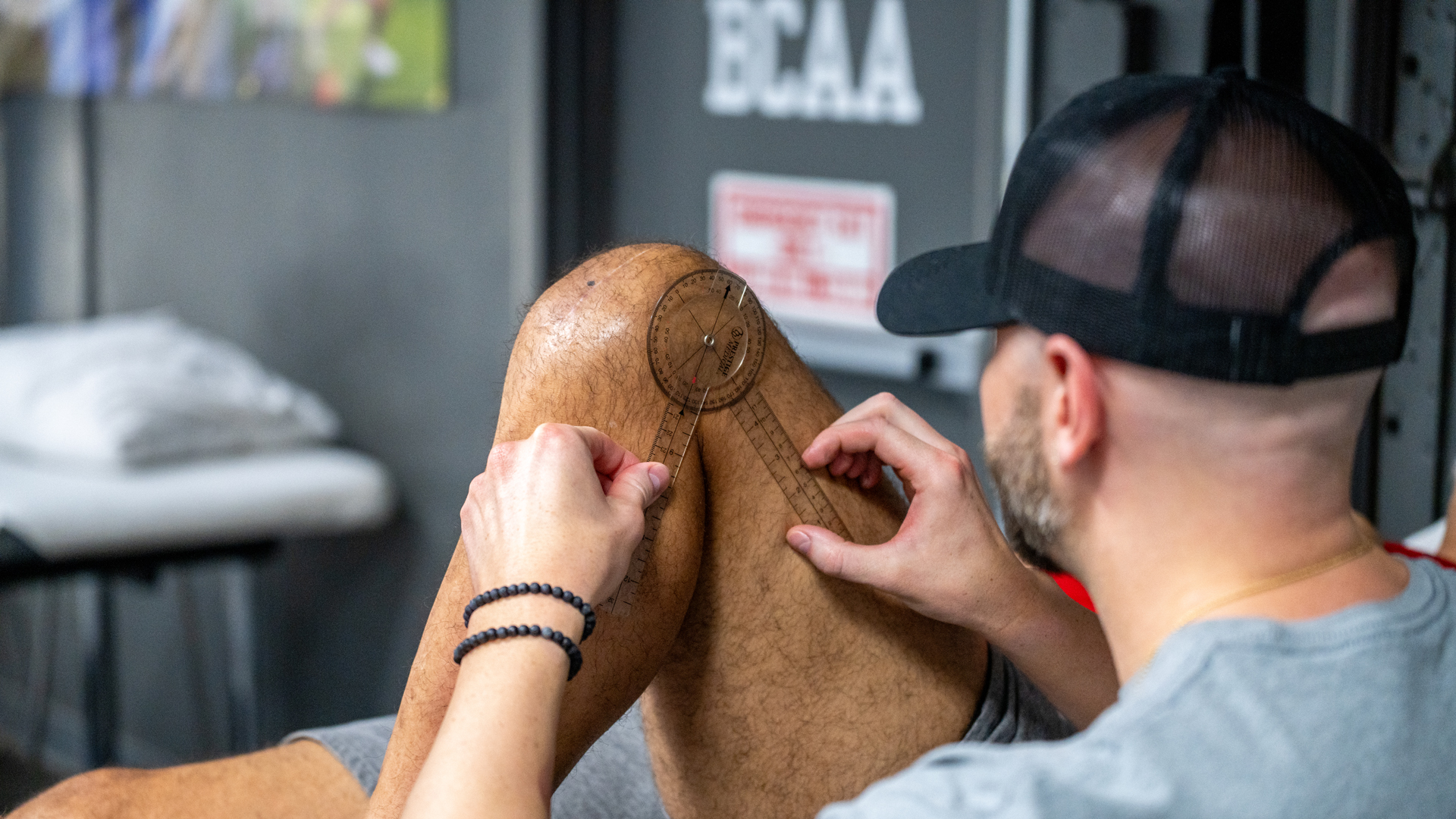
Data plays a crucial role in preventing injuries by providing insights into movement patterns and potential risks. By analyzing data collected during assessments, physical therapists can identify areas of weakness or dysfunction that may lead to injuries in the future.
For instance, if a patient's data reveals a tendency to favor one leg during movement, this could indicate an imbalance that needs addressing. With targeted interventions based on this data, therapists can implement strategies to correct these patterns, ultimately reducing the likelihood of re-injury.
Personalized therapy plans are essential for effective recovery, as they cater to the unique needs of each individual. MOVE Performance emphasizes the creation of customized plans that consider a patient's specific injury, lifestyle, and goals, rather than relying on one-size-fits-all protocols.
This tailored approach not only enhances patient engagement but also improves outcomes. For example, a plan designed for an athlete recovering from a shoulder injury might focus on sport-specific movements, while a plan for a sedentary individual might prioritize basic mobility and strength exercises.
Tracking progress using objective metrics is a fundamental aspect of MOVE Performance's data-driven approach. By regularly measuring key performance indicators, therapists can assess the effectiveness of the treatment plan and make necessary adjustments to optimize recovery.
Metrics such as range of motion, strength assessments, and functional movement scores provide valuable feedback. For example, if a patient shows significant improvement in their mobility scores but struggles with strength, the therapist can modify the plan to focus more on strength-building exercises to ensure a well-rounded recovery.
Integrating technology into physical therapy practices enhances the effectiveness of treatment and provides patients with a more engaging experience. MOVE Performance utilizes various tools, such as motion capture systems and wearable devices, to gather real-time data on patient movements.
This technological integration allows therapists to analyze data more accurately and offer immediate feedback. For example, using wearable sensors can help identify compensatory movements during exercises, enabling therapists to correct techniques on the spot and improve overall treatment efficacy.
 Optimized by Seraphinite Accelerator