Understanding Physical Therapy
Physical therapy is a vital healthcare profession that focuses on improving mobility and quality of life through movement and exercise. It encompasses a variety of techniques and practices aimed at rehabilitating patients with physical impairments or disabilities.
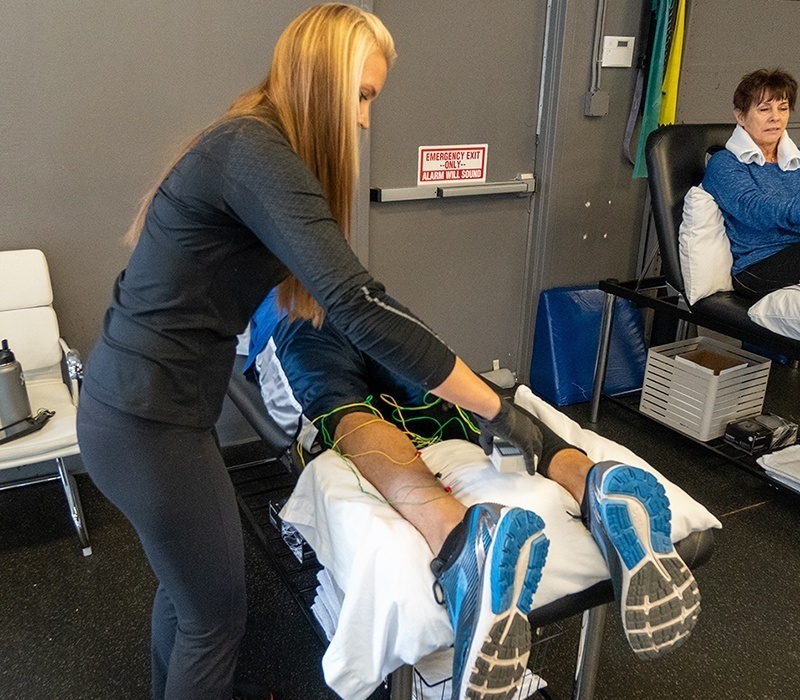
Therapists utilize evidence-based methods, including manual therapy, therapeutic exercises, and modalities such as ultrasound and electrical stimulation. By tailoring treatment plans to individual needs, physical therapy can aid recovery from surgery, injury, or chronic conditions, helping patients regain strength and functionality.
Benefits of Dry Needling
Dry needling is a therapeutic technique used to treat myofascial pain by targeting trigger points in muscles. This method can lead to significant pain relief and improved range of motion, making it a popular choice among physical therapists.
Research has shown that dry needling can enhance recovery by promoting blood flow and reducing muscle tension. Patients often report immediate relief from pain and discomfort, making it an effective adjunct to traditional physical therapy techniques.
Common Conditions Treated with Physical Therapy
Physical therapy can address a wide array of conditions, ranging from sports injuries to post-surgical rehabilitation. Commonly treated issues include back pain, arthritis, stroke recovery, and sports-related injuries.
By employing targeted exercises and treatment modalities, physical therapists can help alleviate pain, restore function, and prevent future injuries. This proactive approach not only aids in recovery but also empowers patients to manage their health more effectively.
Innovations in Human Performance
The field of human performance is continually evolving, incorporating new research and technologies to enhance athletic performance and recovery. Innovations such as wearable technology and advanced training methodologies are becoming increasingly prevalent.
These advancements allow for more personalized training programs, enabling athletes to monitor their performance metrics and optimize their training regimens. As a result, individuals can achieve their fitness goals more efficiently while minimizing the risk of injury.


 Optimized by Seraphinite Accelerator