
Journey with an ACL injury: Bella Burcar’s story
Journey with an ACL injury: Bella Burcar’s Story After a dominating freshman season for Bella Burcar, in which she led Flagstaff High to their first

Journey with an ACL injury: Bella Burcar’s Story After a dominating freshman season for Bella Burcar, in which she led Flagstaff High to their first
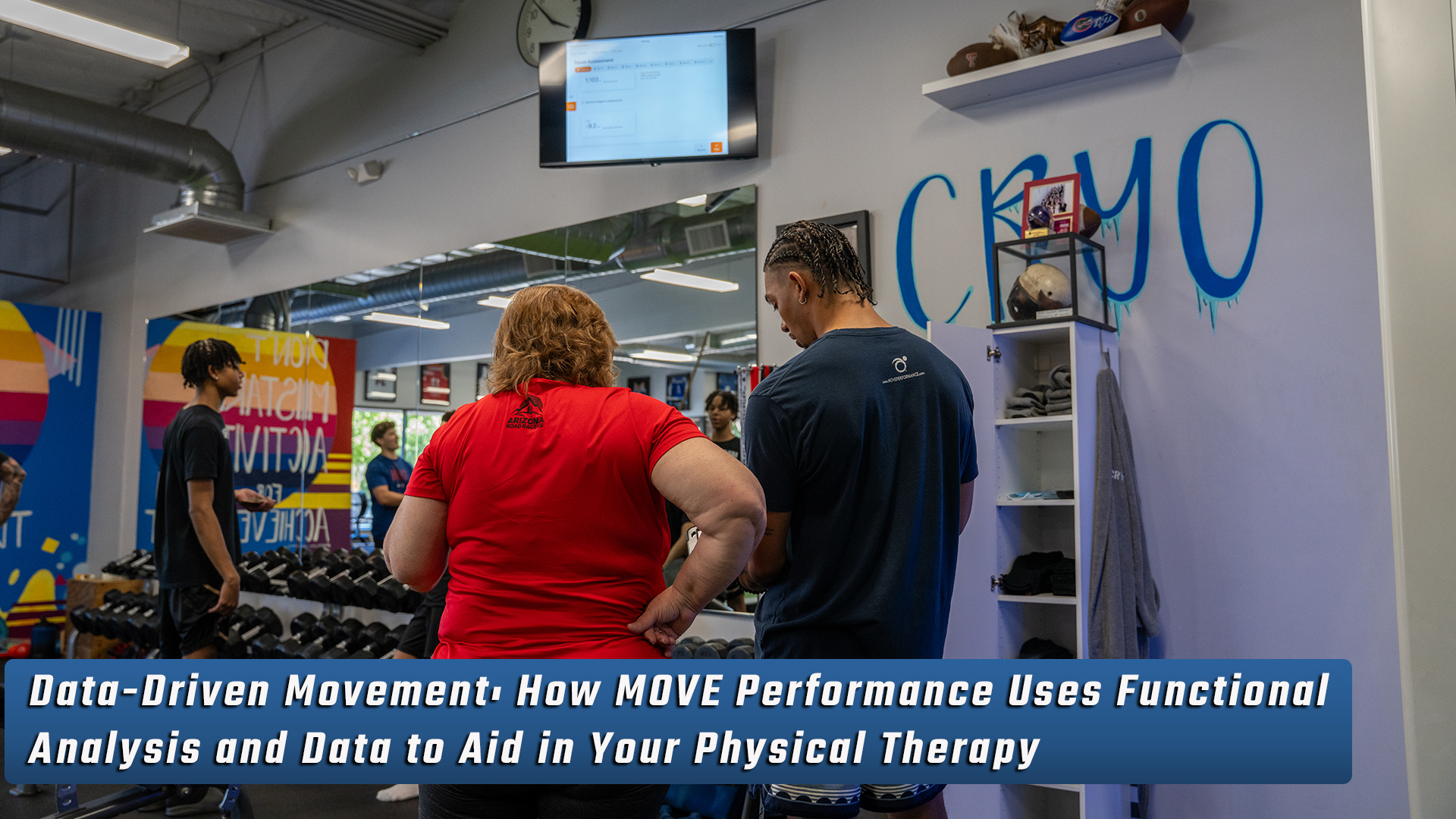
MOVE Performance uses data and functional analysis to deliver smarter, personalized physical therapy that reduces compensation, boosts performance, and prevents injuries.
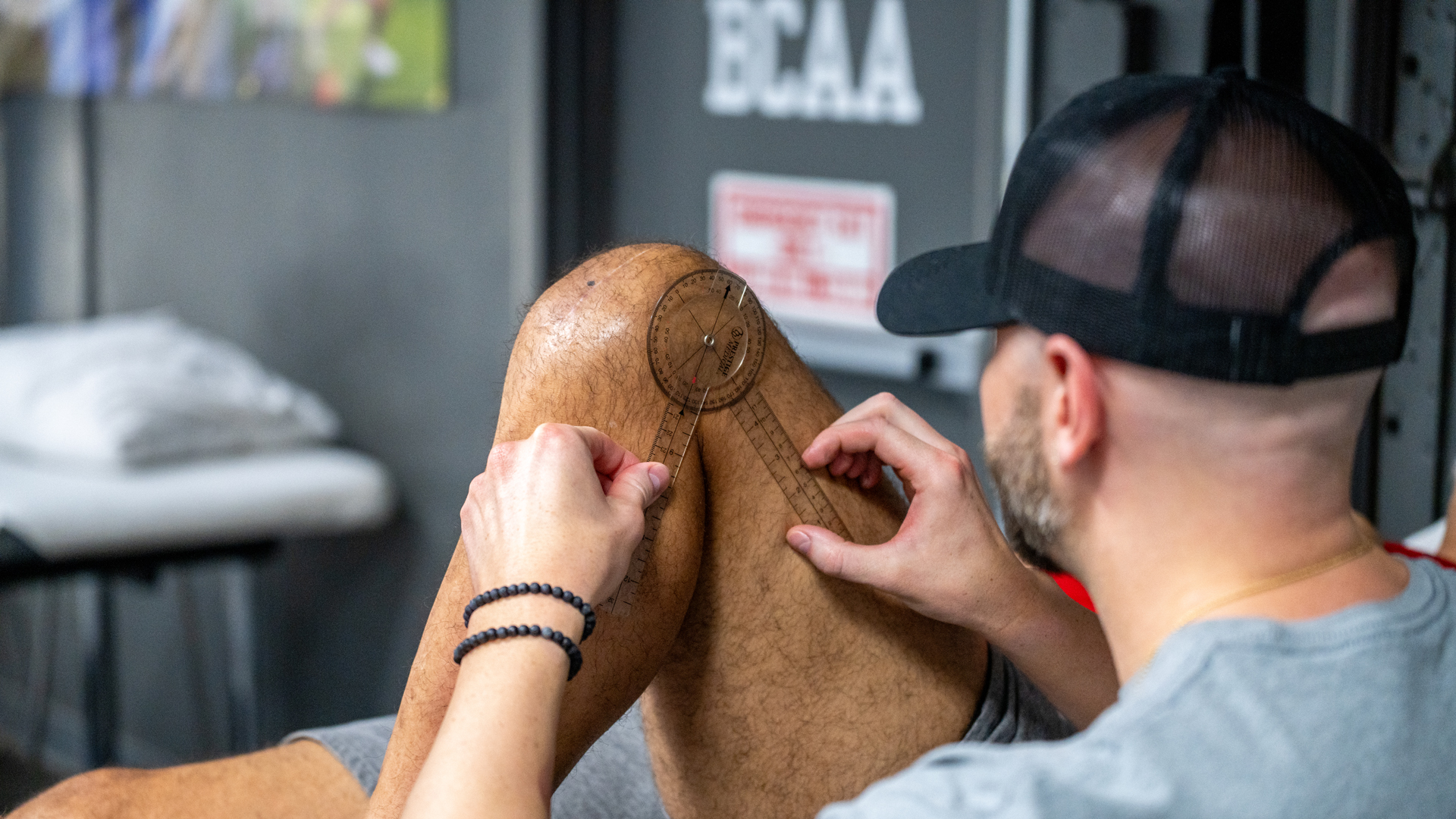
Navigating insurance and physical therapy can feel like an uphill battle. Many people assume that if they have health insurance coverage, their treatments will be fully covered—but that’s far from the truth. The reality is that insurance companies determine what they consider medically necessary, often denying coverage for treatments prescribed by doctors.

At MOVE Human Performance, we believe investing in your health is one of the best decisions you can make. Whether you’re recovering from an injury, looking to elevate your athletic performance, or simply striving to feel better every day, we’re here to help you achieve your goals.

Too often, insurance roadblocks delay necessary treatment or push people to put off physical therapy and training. At MOVE Performance, we want to break that cycle by making high-quality physical therapy and performance training accessible and straightforward – no waiting for deductibles or dealing with hidden costs.
Physical therapy offers numerous benefits that extend beyond rehabilitation. It can improve mobility, reduce pain, and enhance the quality of life for individuals recovering from injuries or surgeries. By engaging in tailored physical therapy programs, patients can regain strength and functionality, enabling them to return to their daily activities with confidence.
For instance, studies have shown that individuals who participate in physical therapy report significant improvements in pain management and mobility. Moreover, physical therapy can also prevent the recurrence of injuries by addressing underlying issues and strengthening vulnerable areas, making it an essential component of overall health management.
Selecting the right physical therapist is crucial for achieving optimal outcomes in your rehabilitation journey. Factors to consider include the therapist's qualifications, experience, and specialization in certain treatment modalities. A good fit between the therapist and patient can significantly enhance the effectiveness of the therapy.
For example, if you are recovering from a sports-related injury, finding a therapist with expertise in sports rehabilitation can provide you with targeted strategies and exercises that align with your goals. Additionally, personal rapport and communication style can play a vital role in ensuring a supportive and motivating therapy environment.
Physical therapy encompasses a variety of techniques designed to address specific patient needs. Common methods include manual therapy, therapeutic exercises, and modalities such as ultrasound or electrical stimulation. Each technique serves a unique purpose, whether it’s to alleviate pain, improve strength, or enhance mobility.
For instance, manual therapy involves hands-on techniques to manipulate soft tissues and joints, which can be particularly effective in reducing pain and improving mobility. Meanwhile, therapeutic exercises are tailored to strengthen specific muscle groups and improve overall function, making them integral to the rehabilitation process.
To get the most out of your physical therapy sessions, it's essential to actively participate in your recovery plan. This includes following the therapist's recommendations, practicing exercises at home, and maintaining open communication about your progress and any challenges you face.
Additionally, setting realistic goals and tracking your improvements can help you stay motivated throughout the process. For example, keeping a journal of your exercises and pain levels can provide valuable insights for both you and your therapist, allowing for adjustments to your treatment plan as needed for better results.