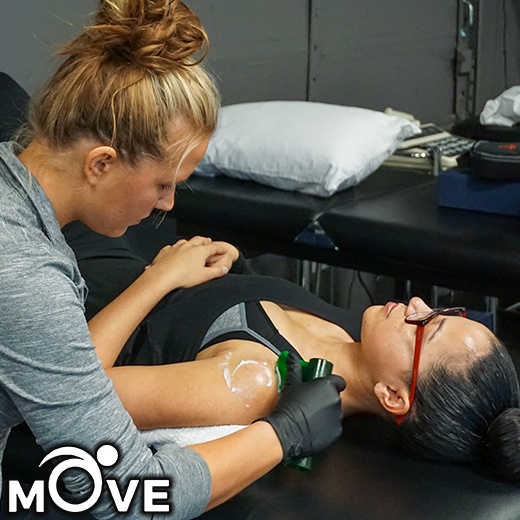
Warning Signs You May Need Injury Treatment. Come See Us To Get You Back On Your Feet
Staying in good health and fitness is always a priority for athletes. However, getting injured is almost inevitable during the process. People who play contact

Staying in good health and fitness is always a priority for athletes. However, getting injured is almost inevitable during the process. People who play contact
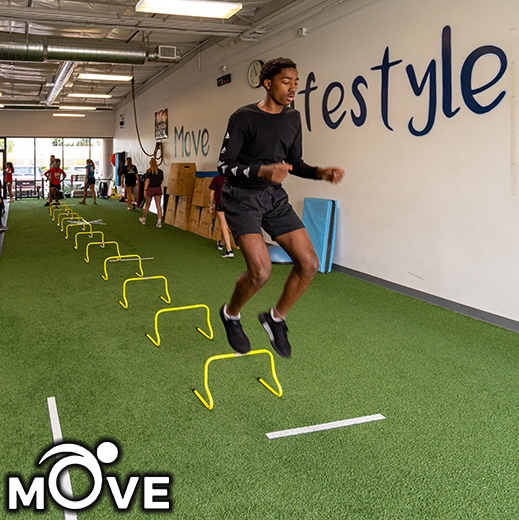
Youth athletics programs are very popular. Excelling at sports at an early age is often the ticket to college for many youths. Whether you play for fun or have dreams of going to the Olympics or playing professionally, training is important.
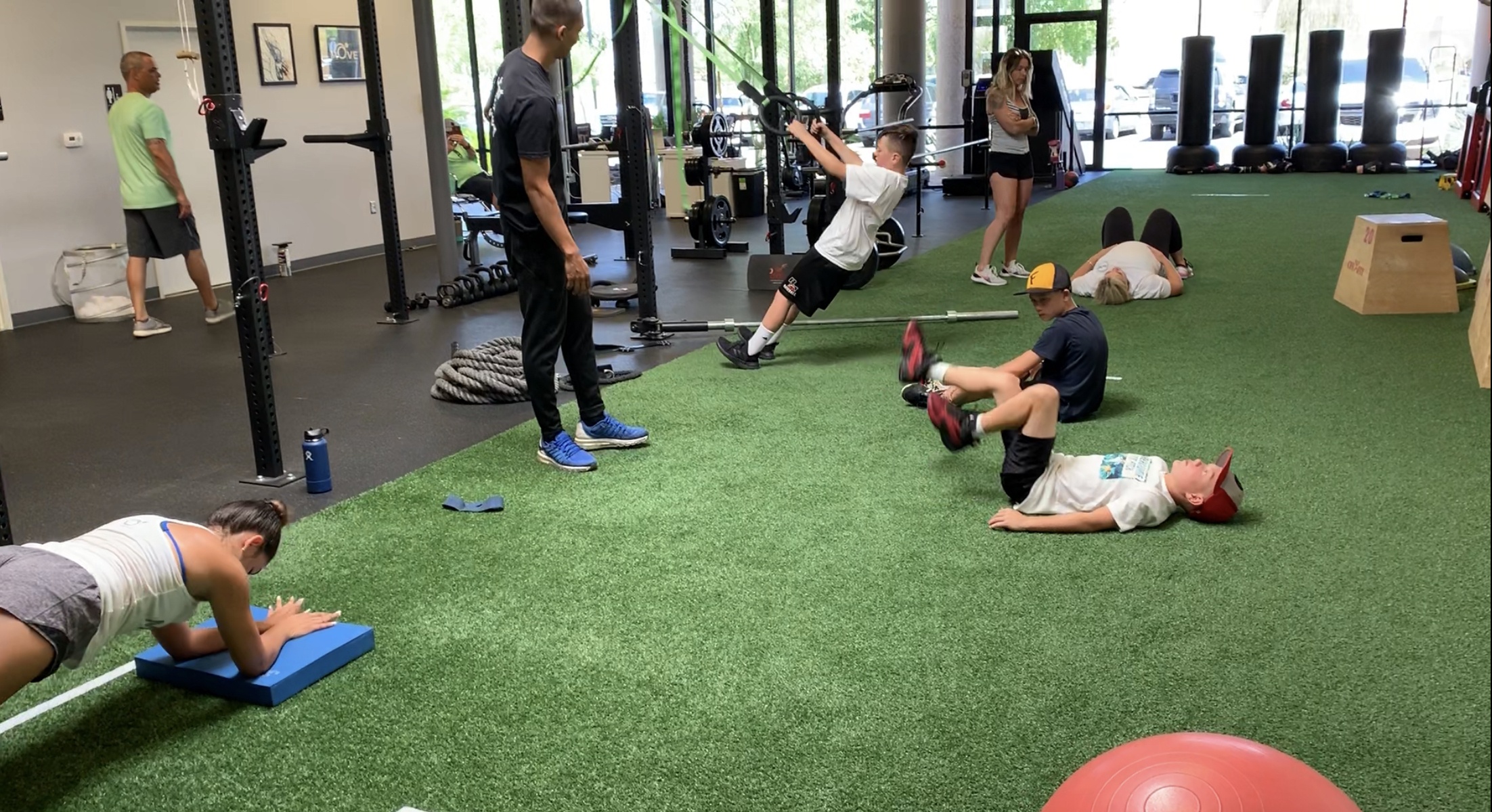
Group fitness classes are beneficial for individuals of all levels. There are many different benefits including social opportunities, motivational boosts, accountability support & of course, health benefits.
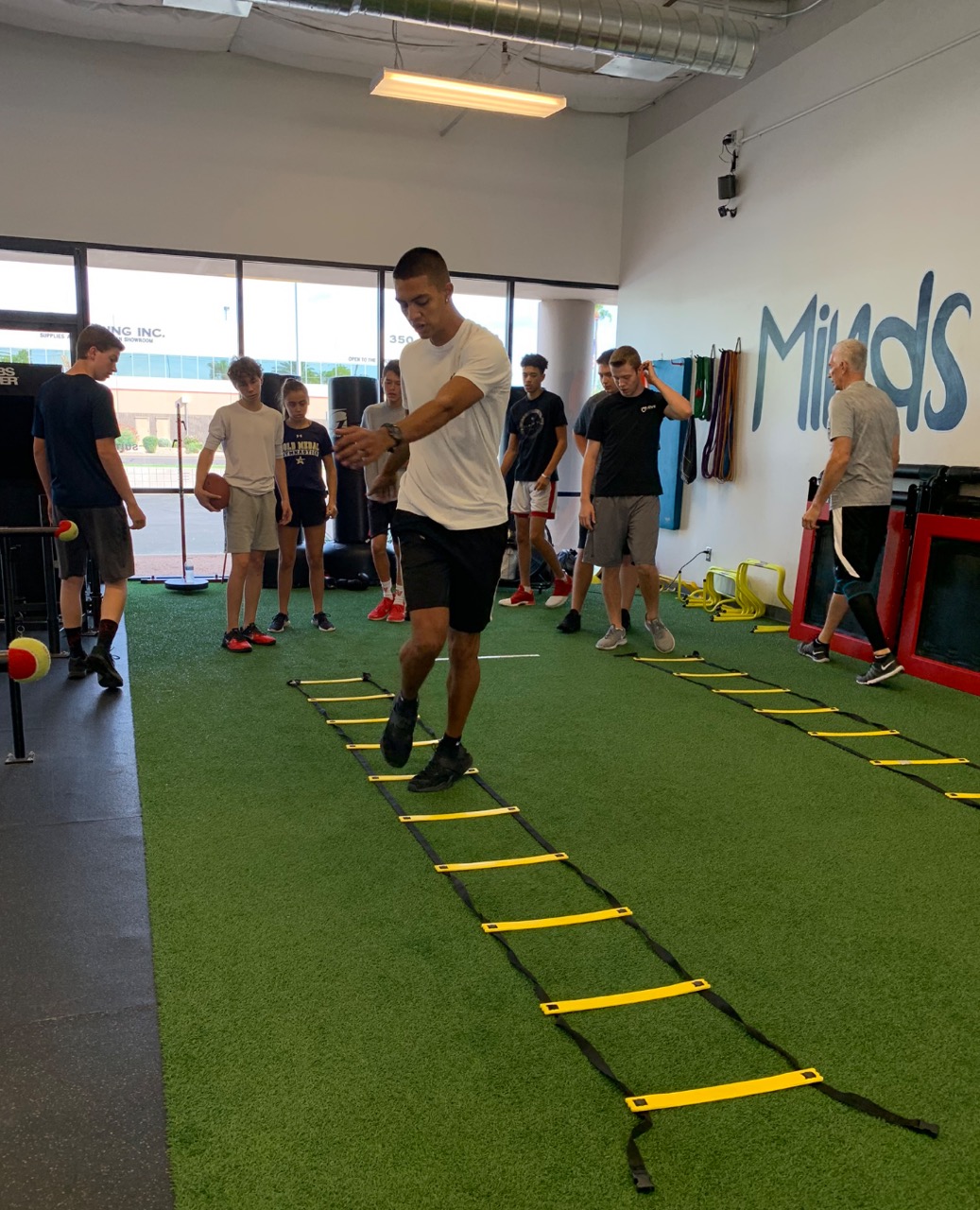
Your desire is to become the best you can be in your sport, or to get in shape in general. And that’s a notable goal.
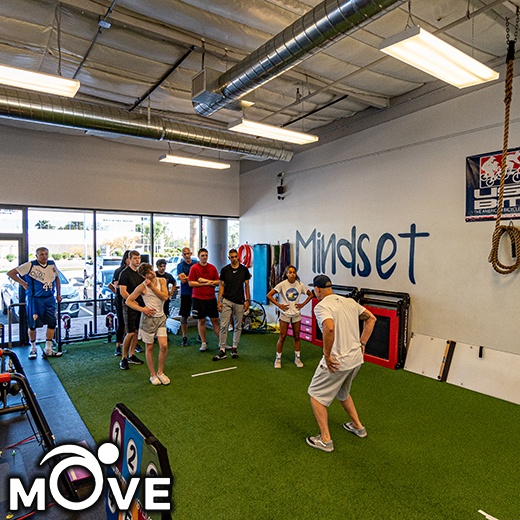
Youth fitness is an important topic for schools and parents as childhood obesity continues to grow. Athletic programs more competitive than ever and people turn to sports personal trainers to bring their children to the next level. Is a personal sports trainer good for you or your school?
Injury prevention training is crucial for athletes of all levels, as it helps reduce the risk of injuries that can hinder performance. This type of training focuses on strengthening muscles, improving flexibility, and enhancing overall body mechanics to ensure athletes can perform at their best.
For example, incorporating exercises that target stabilizing muscles can significantly decrease the likelihood of common sports injuries such as sprains and strains. Additionally, education on proper techniques and body movements can empower athletes to recognize and avoid potentially harmful situations during practice and competition.
Recovery is an essential component of any athletic training program, as it allows the body to heal and adapt to the stress of training. Adequate recovery strategies can lead to improved performance, reduced injury risk, and enhanced overall well-being.
Sports psychology is an often-overlooked aspect of athletic training that can significantly impact performance. Understanding mental strategies and coping mechanisms can help athletes manage pressure, enhance focus, and improve overall performance.
For instance, techniques such as visualization and goal-setting can prepare athletes mentally for competition, allowing them to perform at their peak. Many professional athletes work with sports psychologists to develop mental resilience, which can be just as crucial as physical training in achieving success in sports.
Selecting the right sports training program is essential for athletes looking to maximize their performance and achieve their goals. Factors such as the athlete's specific sport, skill level, and personal objectives should guide the decision-making process.
For example, a young athlete interested in soccer may benefit from a program that emphasizes agility and endurance, while a sprinter may require a program focused on speed and strength. Researching various training options and consulting with professionals can help athletes find a program tailored to their needs, ensuring they receive the best possible training experience.