

MOVE Human Performance employs a variety of advanced physical therapy treatments and rehabilitation techniques to aid in the recovery process. Here are some of the most common methods we use:
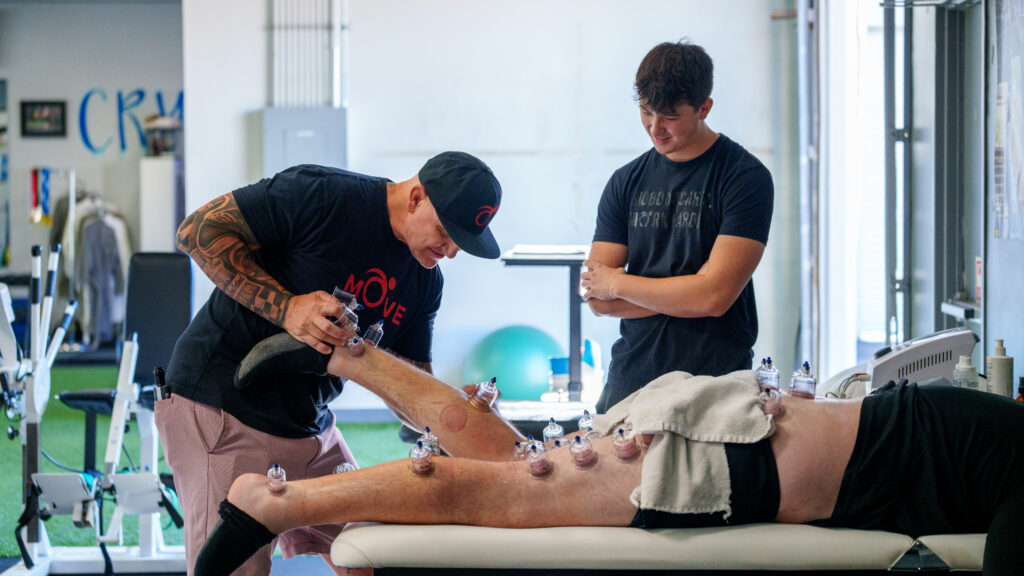
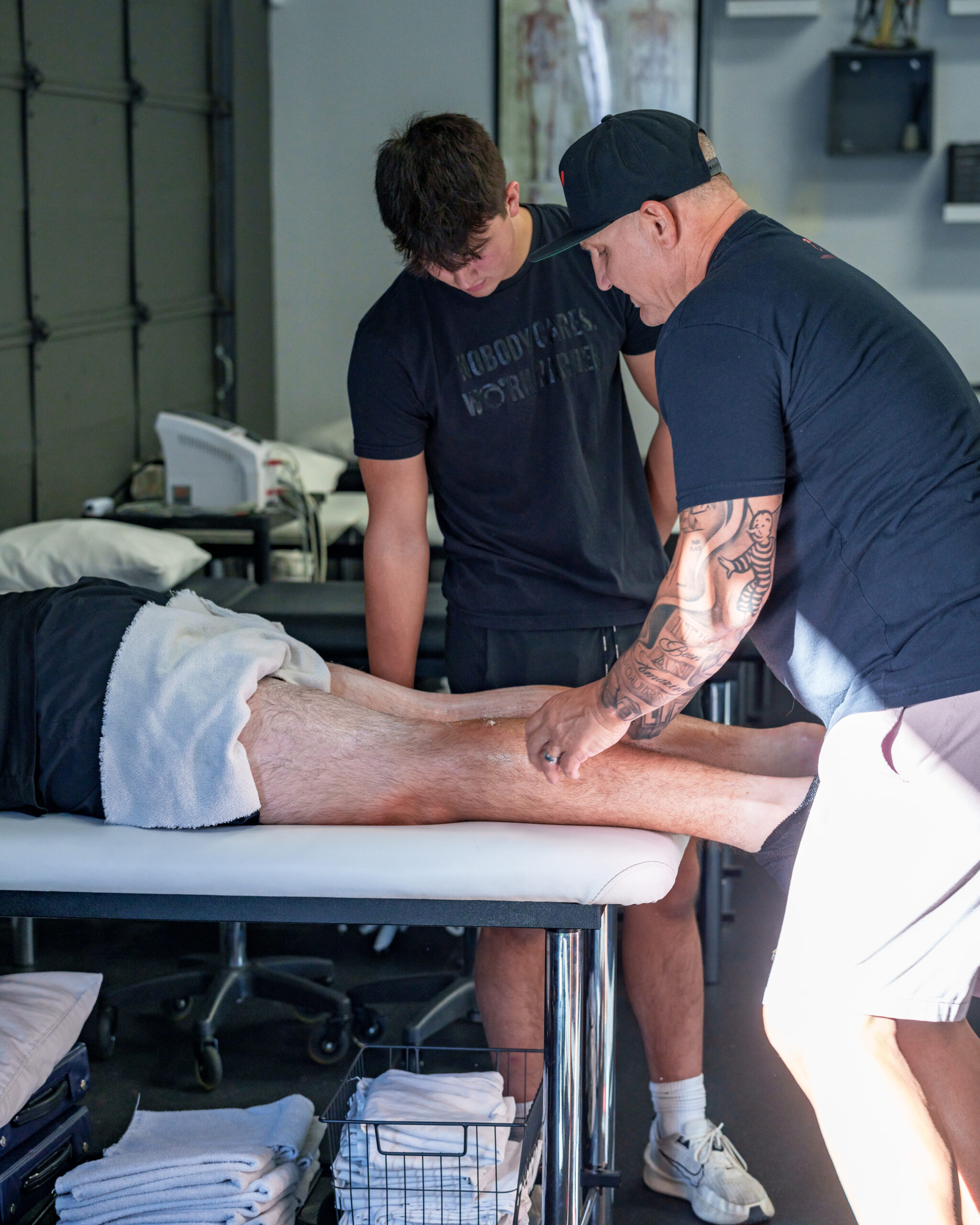
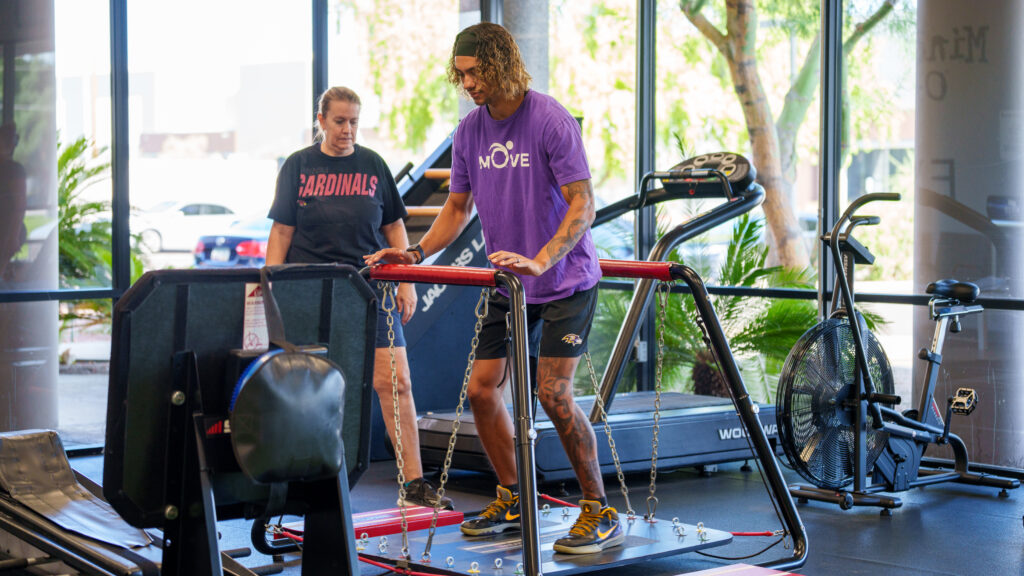
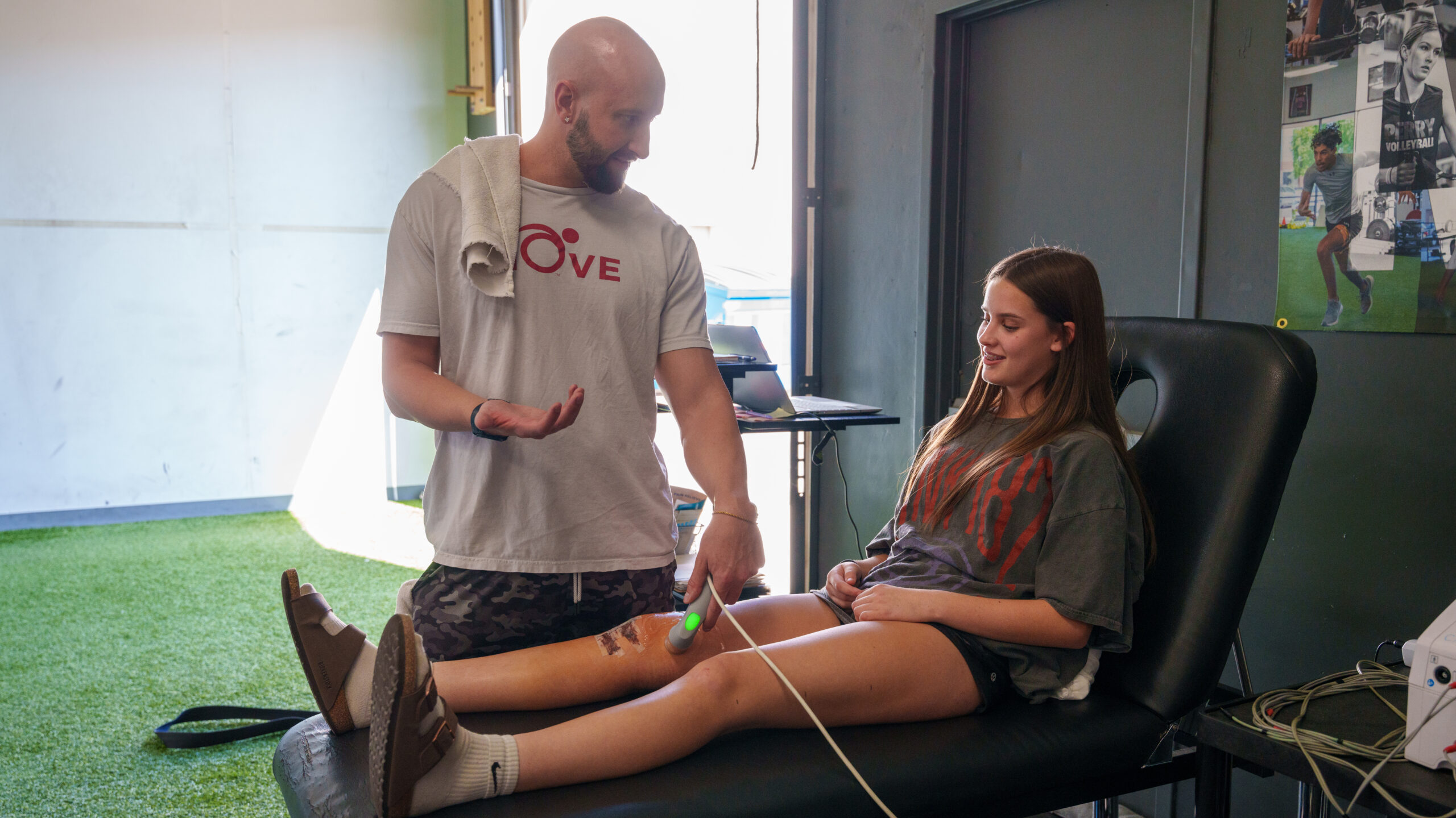
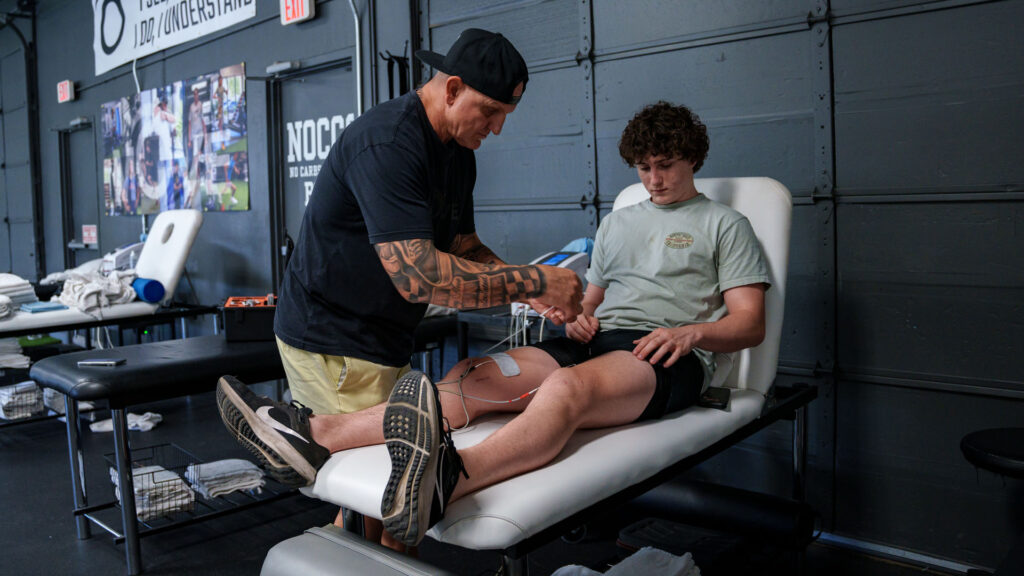
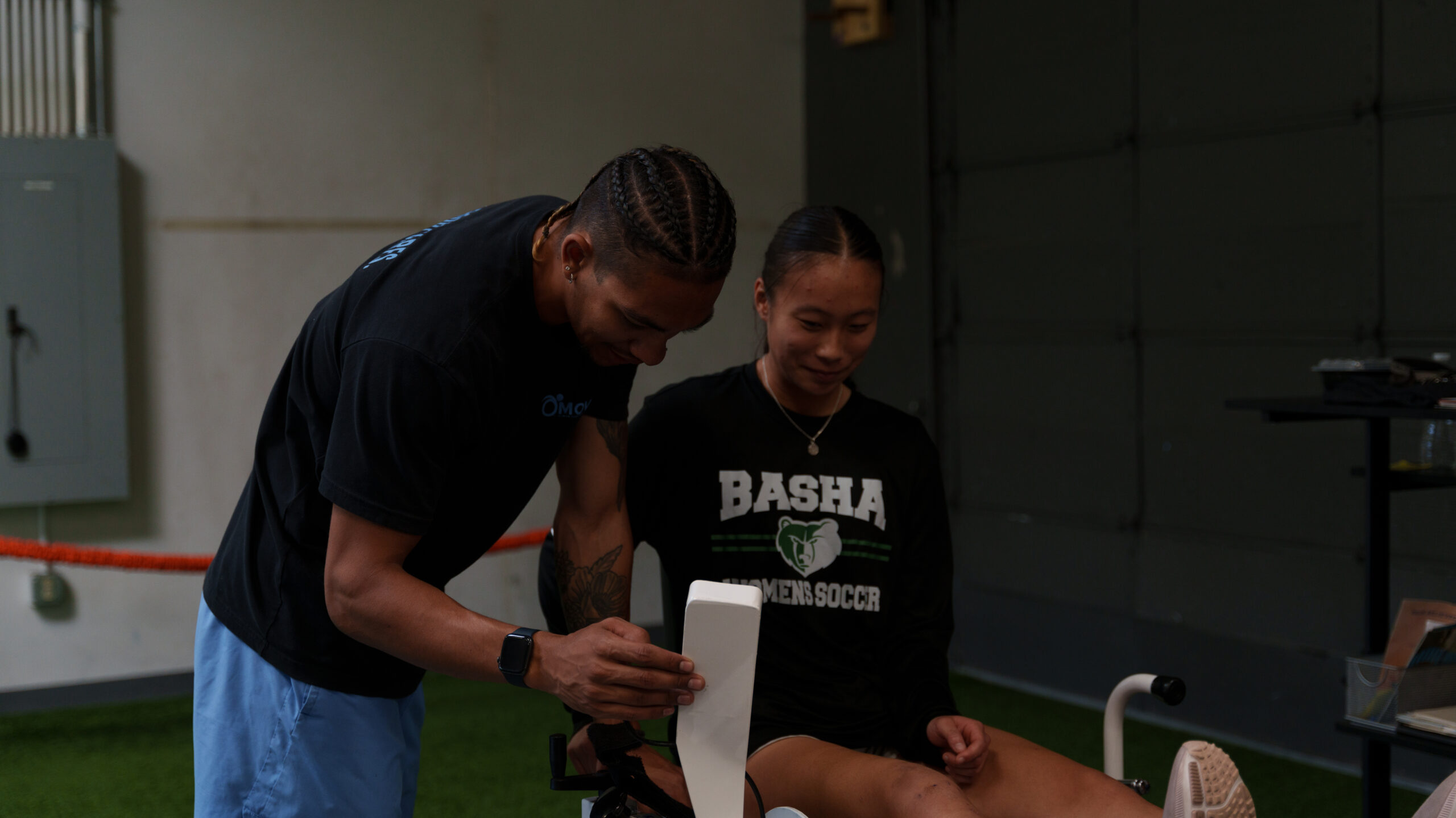
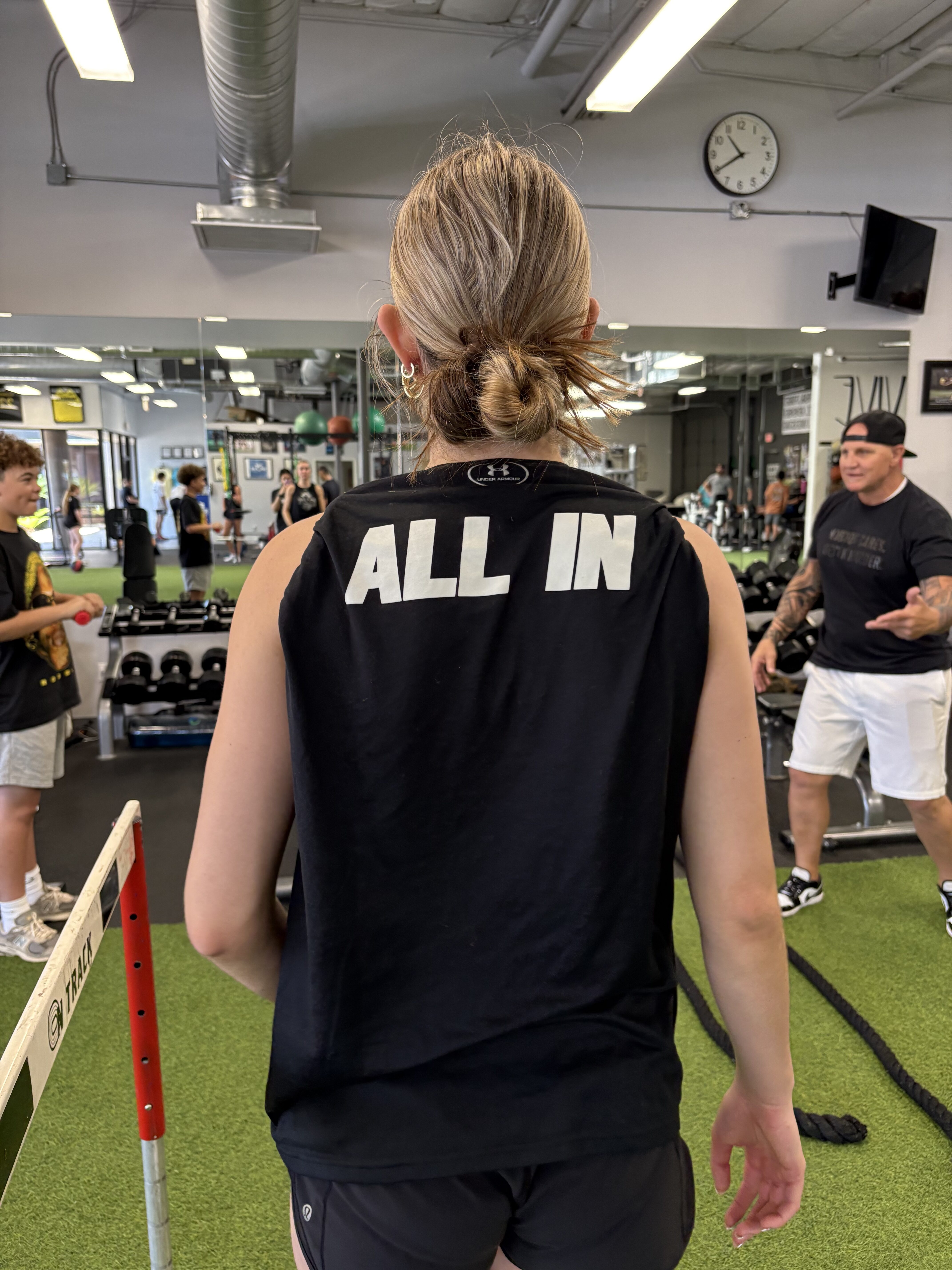
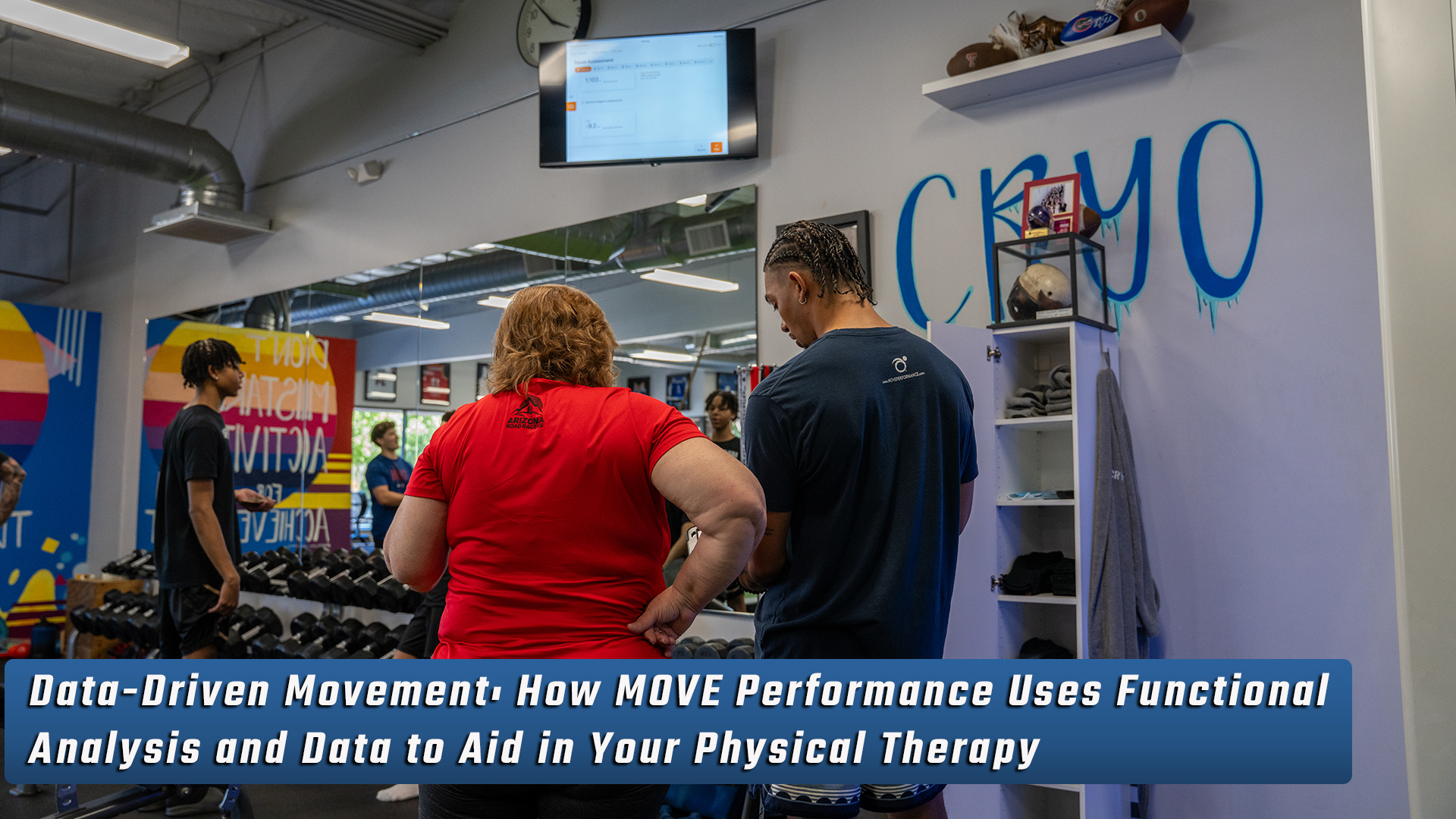
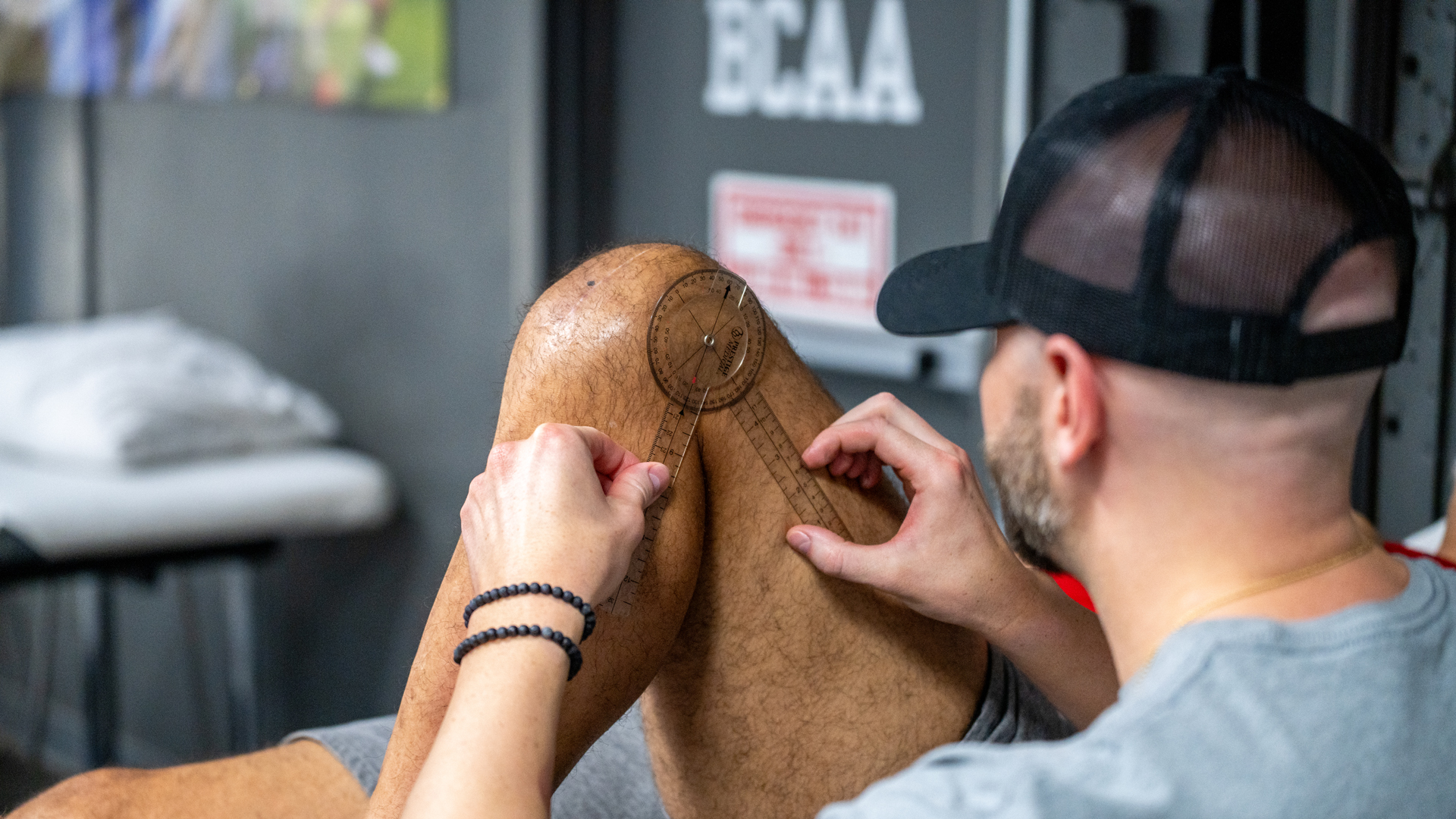
Personalized physical therapy is tailored to meet the unique needs of each client, ensuring that treatment plans are effective and relevant to their specific conditions. This individualized approach enhances recovery by focusing on the patient's goals, whether that involves regaining mobility, reducing pain, or improving athletic performance.
For instance, a personalized plan may incorporate specific exercises that target an athlete's weaknesses or utilize manual therapy techniques that are most effective for a client’s injury type. By considering factors such as age, activity level, and injury history, therapists at MOVE can create a comprehensive treatment strategy that maximizes outcomes and promotes long-term health.
At MOVE Human Performance, we treat a wide range of conditions that affect movement and function. Common issues include sports injuries, post-surgical rehabilitation, chronic pain syndromes, and mobility impairments related to age or injury. Understanding these conditions allows our therapists to develop targeted treatment plans that address the underlying causes of pain and dysfunction.
For example, clients recovering from ACL injuries often require specialized rehabilitation protocols that focus on strength, stability, and functional movement patterns. By utilizing evidence-based practices, our team effectively helps clients navigate their recovery journey and return to their desired activities safely.
Education is a crucial component of physical therapy at MOVE, empowering clients with the knowledge they need to take an active role in their recovery. By understanding their conditions and the rationale behind their treatment plans, clients can make informed decisions and adhere to prescribed exercises and strategies.
Our therapists provide comprehensive education on topics such as anatomy, injury prevention, and self-management techniques. This not only enhances the effectiveness of therapy but also fosters a collaborative relationship between clients and therapists, ultimately leading to better health outcomes.
The integration of technology into rehabilitation practices at MOVE enhances the effectiveness of treatment and improves client engagement. Tools such as movement analysis software and telehealth services allow for more precise assessments and flexible care options, which can be particularly beneficial for clients with busy schedules.
For example, using wearable technology, therapists can monitor clients' progress in real-time, adjusting treatment plans based on data-driven insights. This innovative approach not only optimizes recovery but also helps prevent future injuries by providing ongoing support and feedback.
 Optimized by Seraphinite Accelerator