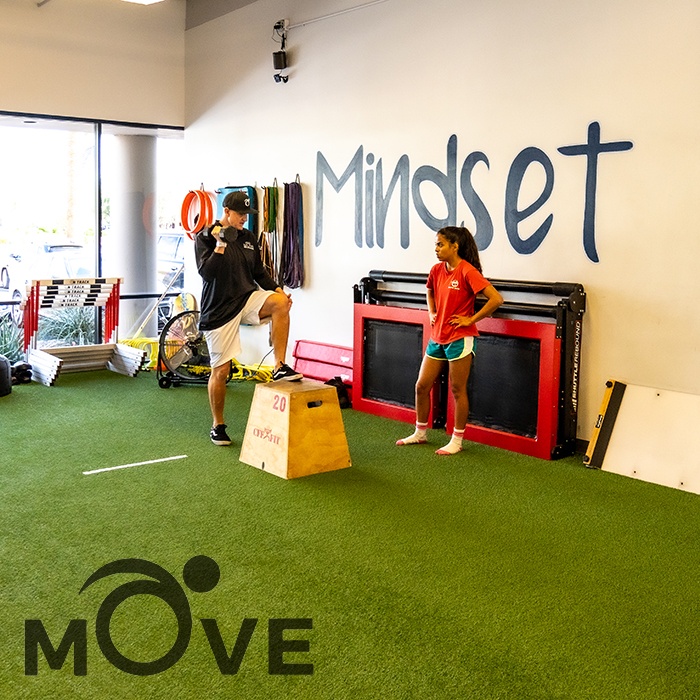
Understanding the Importance of Fitness Assessments
Fitness assessments are crucial for tailoring workout programs to individual needs and goals. They provide a baseline measurement of your current fitness level, helping trainers design effective training regimens that optimize performance and prevent injuries.
By undergoing a fitness assessment, you gain insights into your strengths and weaknesses, which can guide your training journey. For example, assessments can include tests for strength, flexibility, endurance, and body composition, allowing for a comprehensive understanding of your fitness status.
Nutrition Tips for Enhancing Your Fitness Regimen
Nutrition plays a vital role in achieving fitness goals, whether you're looking to lose weight, build muscle, or improve endurance. A balanced diet rich in essential nutrients fuels your body, aids recovery, and enhances performance during workouts.
Incorporating a variety of whole foods such as lean proteins, whole grains, fruits, and vegetables can significantly impact your training results. For instance, consuming protein after workouts helps with muscle repair, while carbohydrates replenish energy stores used during exercise.
Setting Realistic Fitness Goals
Setting realistic fitness goals is essential for maintaining motivation and ensuring progress. Goals should be specific, measurable, achievable, relevant, and time-bound (SMART) to help you stay focused and track your improvements effectively.
For example, instead of aiming to "get fit," a more realistic goal would be to "run a 5K in under 30 minutes within three months." This clarity allows you to create actionable steps, such as following a structured training plan and gradually increasing your running distance.
Incorporating Recovery into Your Fitness Routine
Recovery is a critical component of any fitness regimen, as it allows your body to heal and adapt to the stresses of training. Proper recovery strategies can enhance performance, reduce injury risk, and promote long-term fitness success.
Techniques such as stretching, foam rolling, hydration, and adequate sleep are essential for effective recovery. For instance, incorporating rest days and active recovery activities, like yoga or light walking, can help alleviate muscle soreness and improve overall flexibility.