Physical Therapy: Are You Getting the Right Treatment?
Physical therapy plays a crucial role in recovery, whether you’re healing from an injury or surgery. But just as important as the treatment itself is understanding why you’re doing each exercise and what you can expect from your physical therapy sessions.
The Importance of Understanding Your Physical Therapy Journey
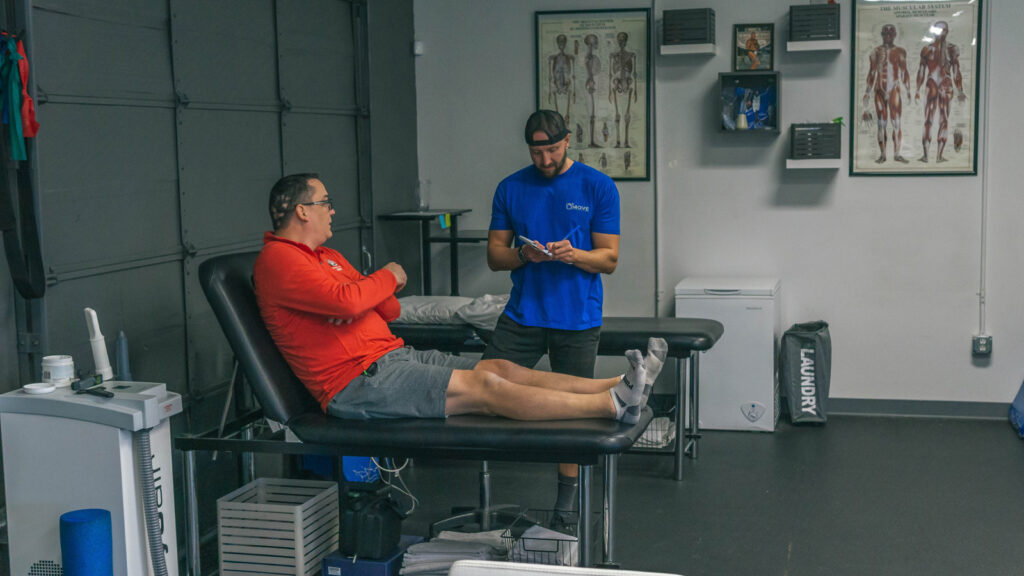
Is your therapist explaining the purpose of each exercise? Knowing why you’re doing specific exercises is essential for understanding your treatment plan and its benefits.
Do you work consistently with the same physical therapist? Continuity of care can make a big difference in your recovery process. A therapist who knows your case can better tailor your treatment. Is your therapist staying with you during exercises? Proper form is key to getting the best results from therapy. Your therapist should ensure you’re performing each exercise correctly to avoid further injury. Do you understand your insurance coverage? Knowing your insurance policy and the portion you’re responsible for is essential. Don’t let billing surprises add stress to your recovery.
The Consequences of Improper Care After Injury or Surgery
Many patients face long-term effects due to not receiving proper care following an injury or surgery. One common reason is a lack of understanding about what “proper care” involves. Always make sure that your healthcare provider explains the reasons behind their prescribed treatment and how it will benefit your recovery.
Recovery isn’t a one-size-fits-all process. It’s crucial that your physical therapy plan evolves with each session, adjusting to your progress and helping you regain strength. Always ask your therapist about how your protocol will change over time to ensure you’re on the right path back to your full lifestyle.
Be Proactive in Your Healthcare Decisions
Remember, you don’t have to go to the facility your doctor refers you to. You have the right to choose the provider who will offer you the best care and results. Don’t settle for being just another number—do your research to find a physical therapist who will tailor their approach to your specific needs.
Why MOVE Performance is the Right Choice for Your Recovery
At MOVE, our mission is to help you become the best version of yourself. Whether you’ve just suffered a major injury or are recovering from surgery, our goal is to guide you through the healing process.
We want to help you understand your injury and develop a customized treatment plan. Our team is here to make your recovery journey as smooth and clear as possible.
Contact us today and take the first step towards getting back to your full potential!
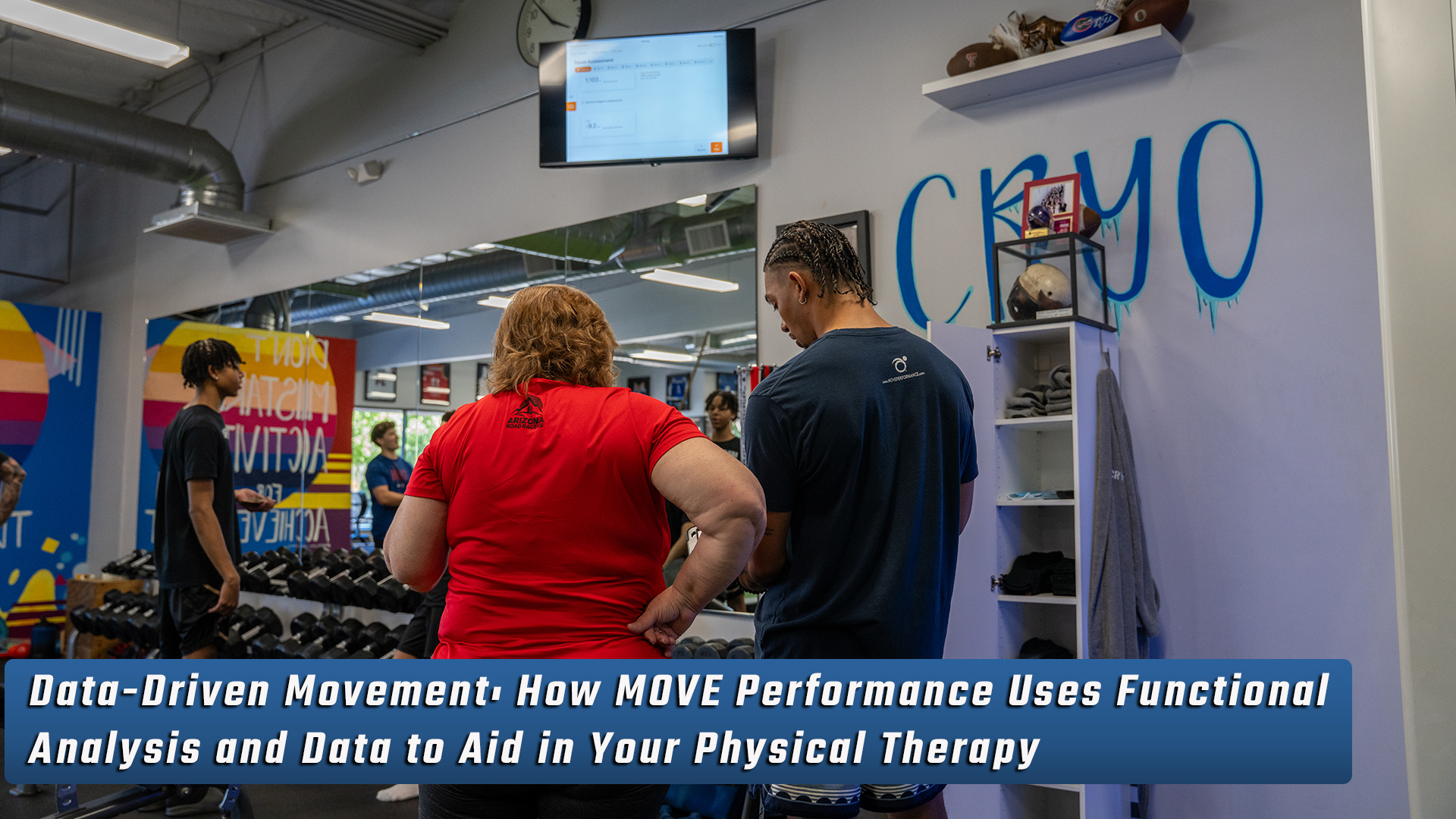
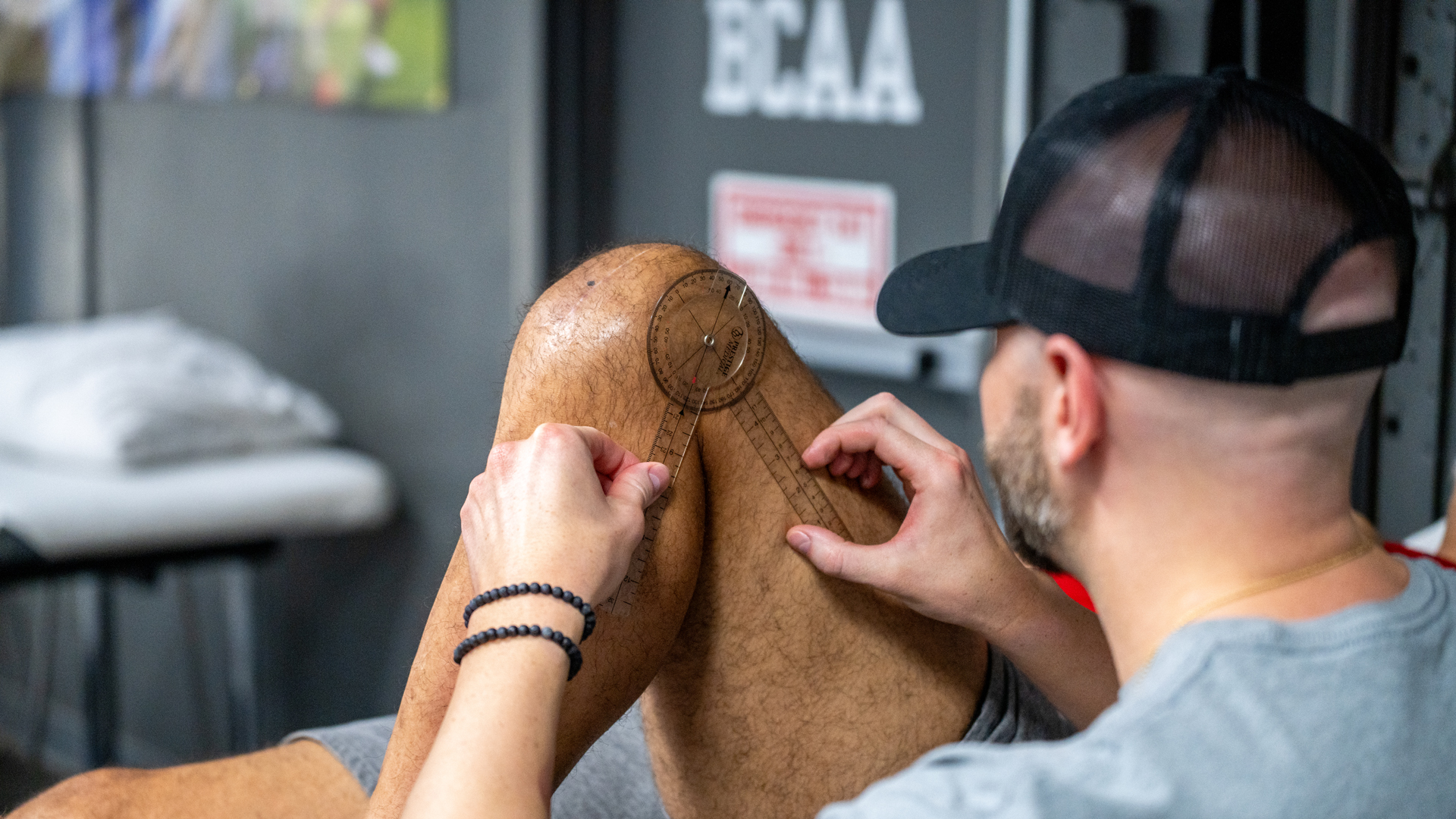
MOVE Performance uses data and functional analysis to deliver smarter, personalized physical therapy that reduces compensation, boosts performance, and prevents injuries.
Navigating insurance and physical therapy can feel like an uphill battle. Many people assume that if they have health insurance coverage, their treatments will be ...
At MOVE Human Performance, we believe investing in your health is one of the best decisions you can make. Whether you’re recovering from an injury, ...



 Optimized by Seraphinite Accelerator