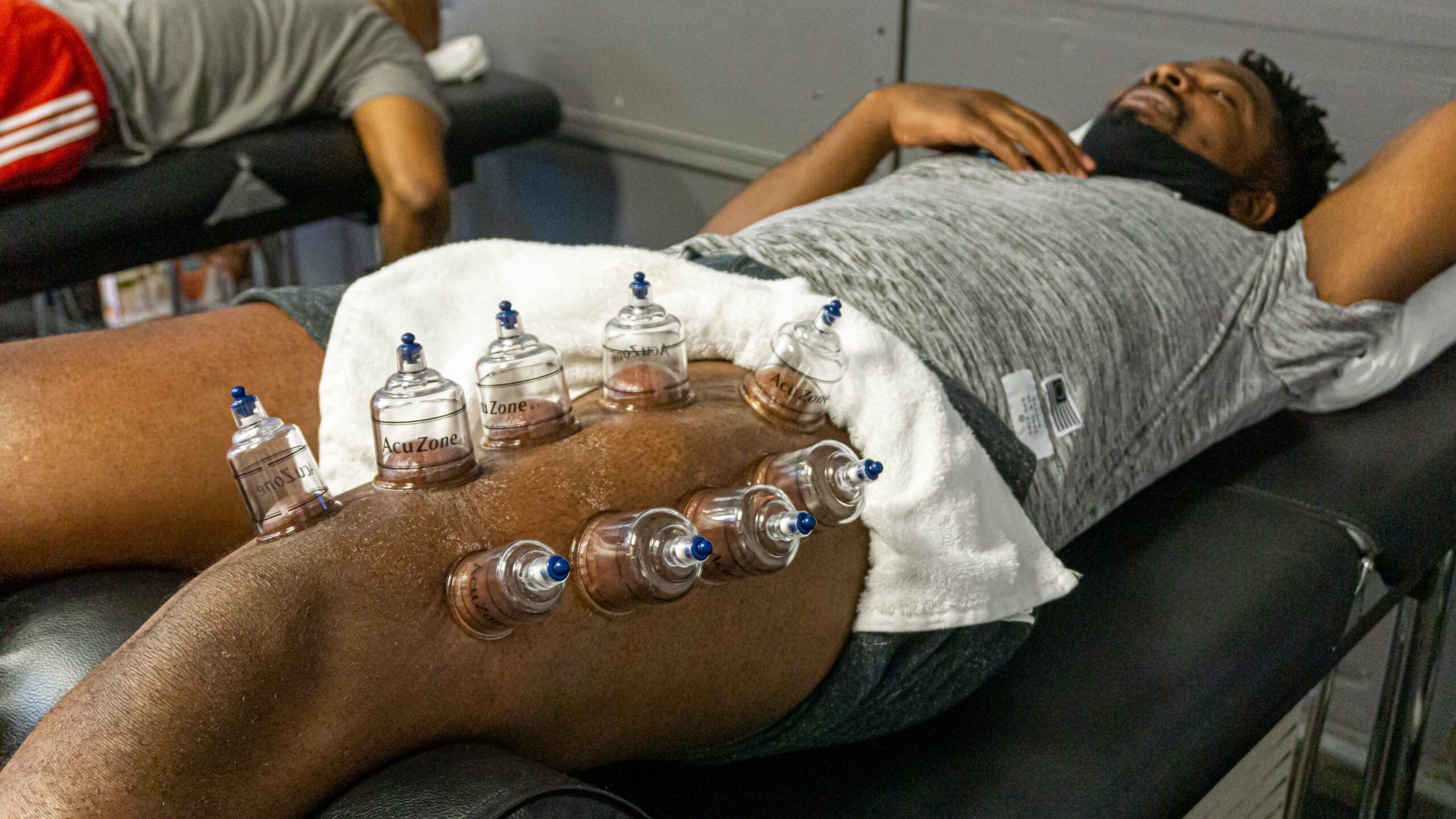
Understanding the Role of Physical Therapy in Recovery
Physical therapy plays a crucial role in the recovery process for individuals who have sustained injuries or undergone surgeries. It involves tailored exercises and treatments designed to restore mobility, reduce pain, and improve overall physical function. By focusing on rehabilitation, physical therapy helps patients regain their independence and return to their daily activities.
For instance, after knee surgery, patients often work with physical therapists to develop a personalized rehabilitation plan that includes strength training and flexibility exercises. This targeted approach not only speeds up recovery but also minimizes the risk of re-injury, ensuring long-term health and wellness.
Common Techniques Used in Physical Therapy
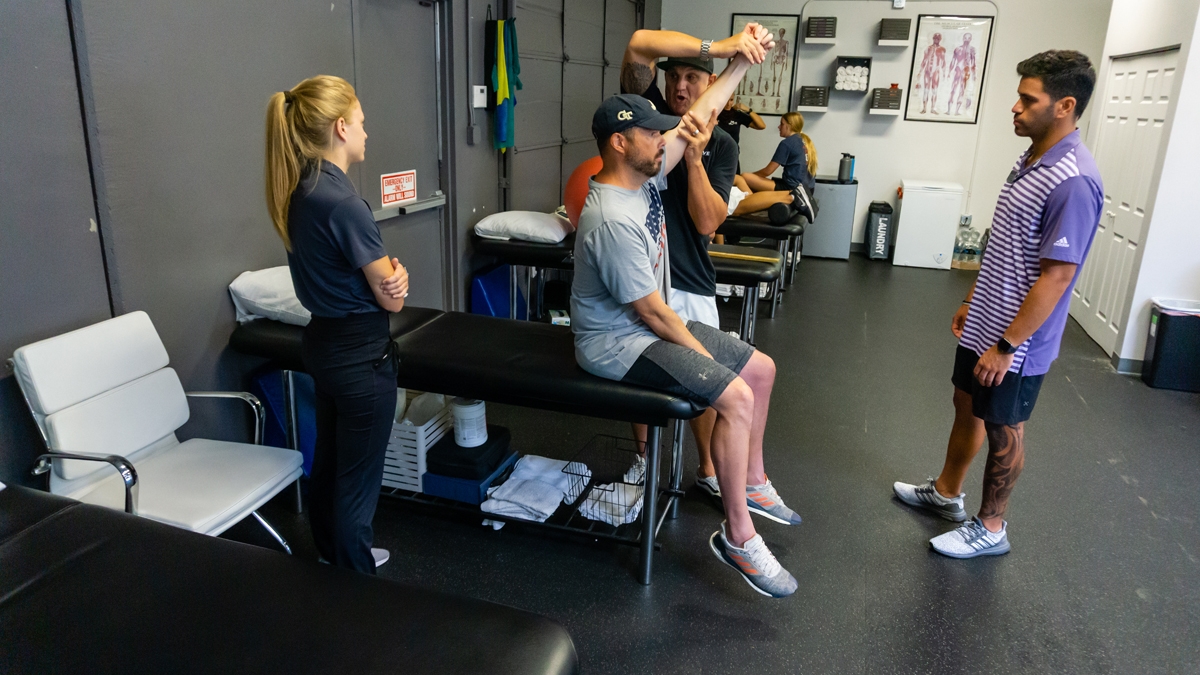
Physical therapists employ a variety of techniques to facilitate healing and enhance physical performance. These techniques may include manual therapy, therapeutic exercises, modalities such as ultrasound or electrical stimulation, and patient education on injury prevention. Each method is selected based on the individual needs of the patient and the specific nature of their condition.
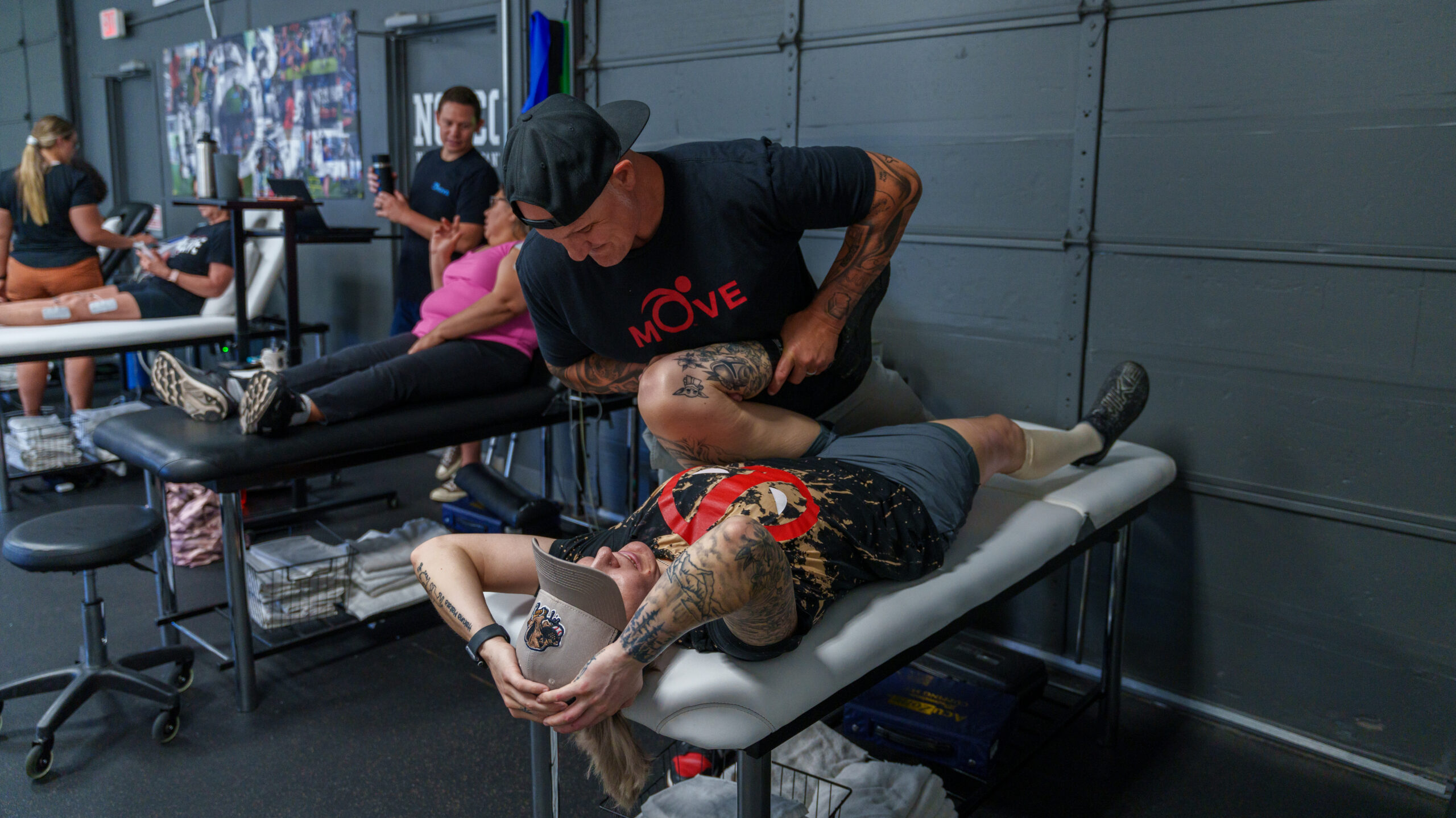
For example, manual therapy involves hands-on techniques to manipulate soft tissues and joints, which can alleviate pain and improve mobility. Similarly, therapeutic exercises are designed to strengthen muscles and restore function, making them essential components of a comprehensive physical therapy program.
Choosing the Right Physical Therapist for Your Needs
Selecting the right physical therapist is vital for achieving optimal results in your recovery journey. Factors to consider include the therapist's qualifications, experience with specific injuries or conditions, and their approach to treatment. A good physical therapist should also be able to communicate effectively and create a supportive environment for their patients.
For example, if you are recovering from a sports-related injury, it may be beneficial to find a therapist who specializes in sports medicine. They will have a deeper understanding of the physical demands of your sport and can provide targeted rehabilitation strategies to help you return to peak performance.
How to Maximize Your Physical Therapy Sessions
To get the most out of your physical therapy sessions, it's important to actively engage in the process. This includes following your therapist's recommendations, practicing exercises at home, and being open about your progress and any challenges you encounter. Active participation can significantly enhance your recovery experience.
Additionally, setting realistic goals with your therapist can help you stay motivated and track your improvements. Whether it's increasing your range of motion or reducing pain levels, having clear objectives allows you to measure your success and make necessary adjustments to your treatment plan as you progress.