Understanding Post-Rehabilitation Training
Post-rehabilitation training is a crucial step for individuals recovering from injuries or surgeries. It focuses on restoring strength, flexibility, and functionality to help clients return to their daily activities and sports safely.
This training often involves personalized exercise regimens that cater to the specific needs of each client, ensuring that they regain their physical capabilities while minimizing the risk of re-injury. Techniques may include strength training, mobility exercises, and functional movement training.
Success Stories: Transformations at Move Human Performance Center
At Move Human Performance Center, client success stories showcase the effectiveness of our post-rehabilitation programs. Many individuals have achieved remarkable recoveries, enabling them to return to their active lifestyles.
These testimonials highlight personal journeys, demonstrating how tailored training and dedicated support have empowered clients to overcome challenges and reach their fitness goals. Each story serves as inspiration for others facing similar recovery paths.
Innovative Therapies for Enhanced Recovery
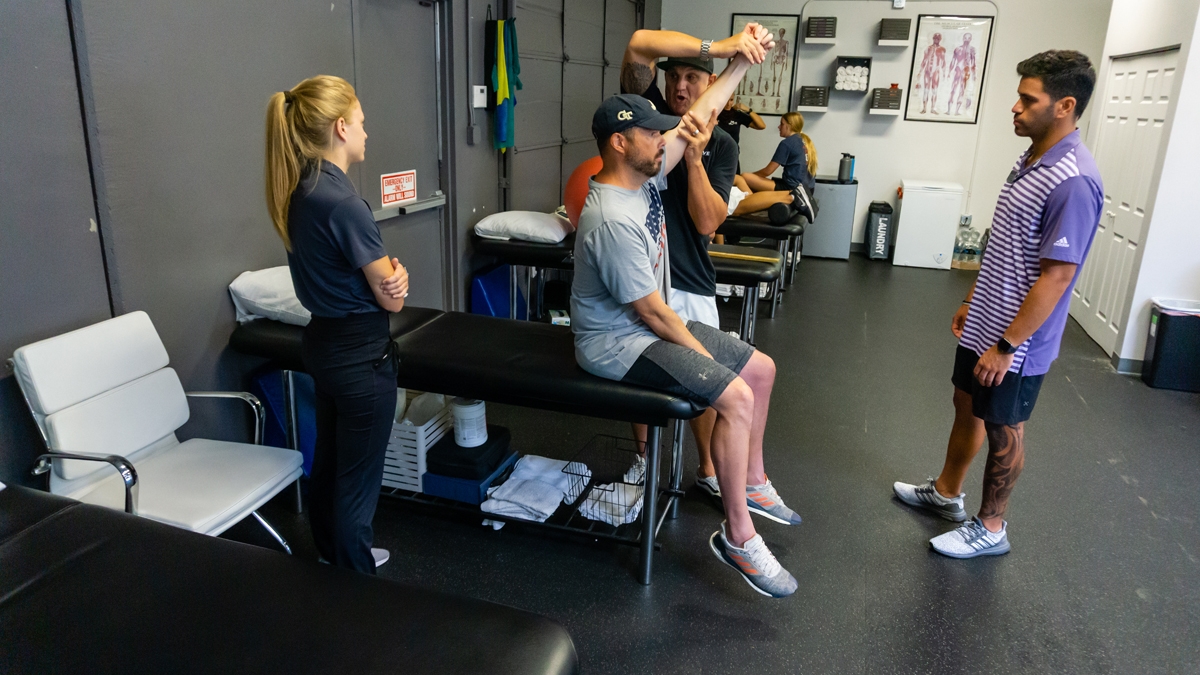
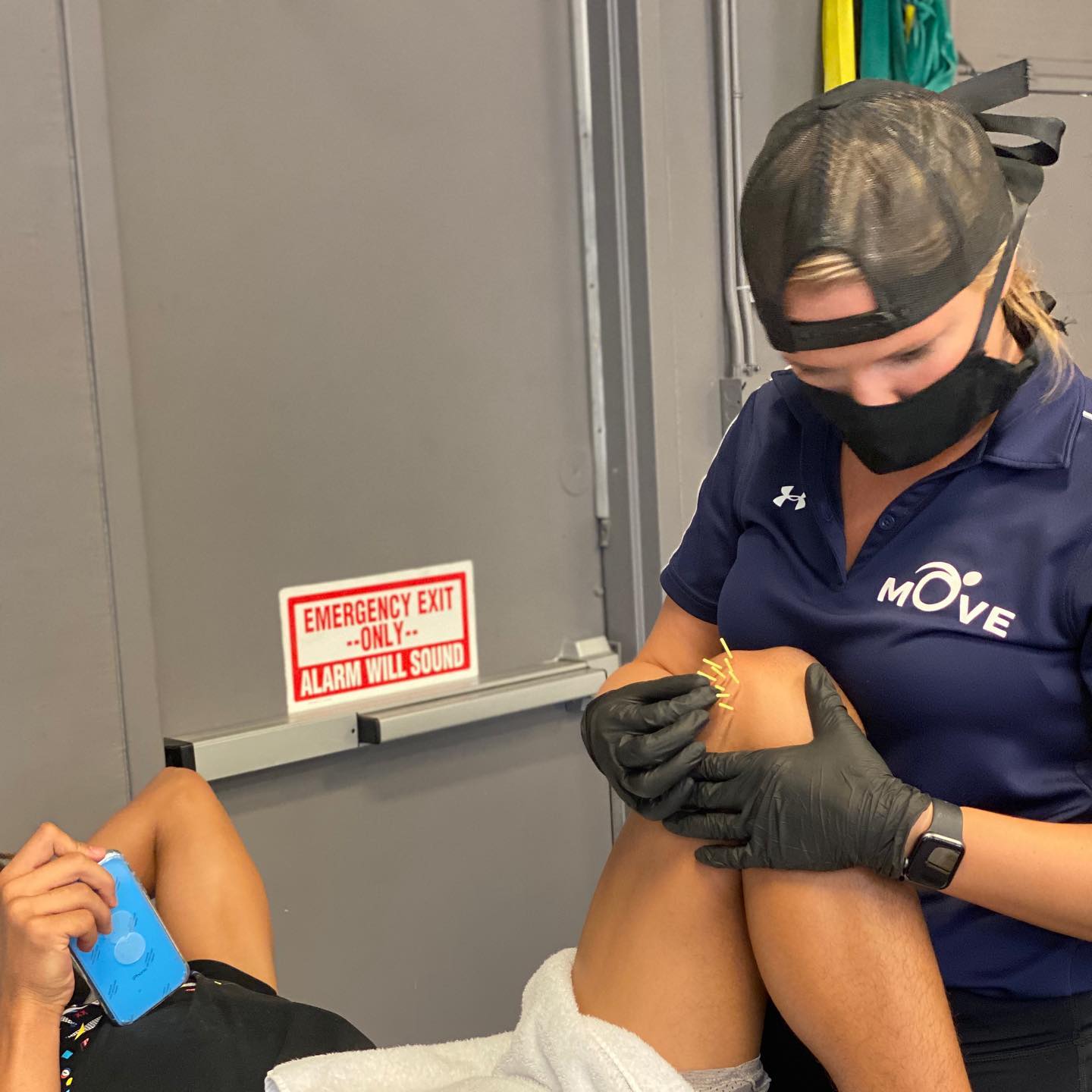
The Move Human Performance Center integrates innovative therapies to enhance recovery processes. Techniques such as manual therapy, dry needling, and neuromuscular re-education are employed to alleviate pain and promote healing.
These therapies are designed to complement post-rehabilitation training, providing a holistic approach to recovery. By addressing both physical and mental aspects of healing, clients can experience improved outcomes and a faster return to their desired activities.
Frequently Asked Questions About Post-Rehab Training
Many clients have questions about the post-rehabilitation training process, including what to expect during their recovery journey. Understanding the timeline, types of exercises, and potential challenges can help alleviate concerns.
This section addresses common inquiries, such as how long post-rehab training lasts, the role of physical therapists, and the importance of setting realistic goals. By providing clear answers, we aim to empower clients with knowledge and confidence as they embark on their recovery.